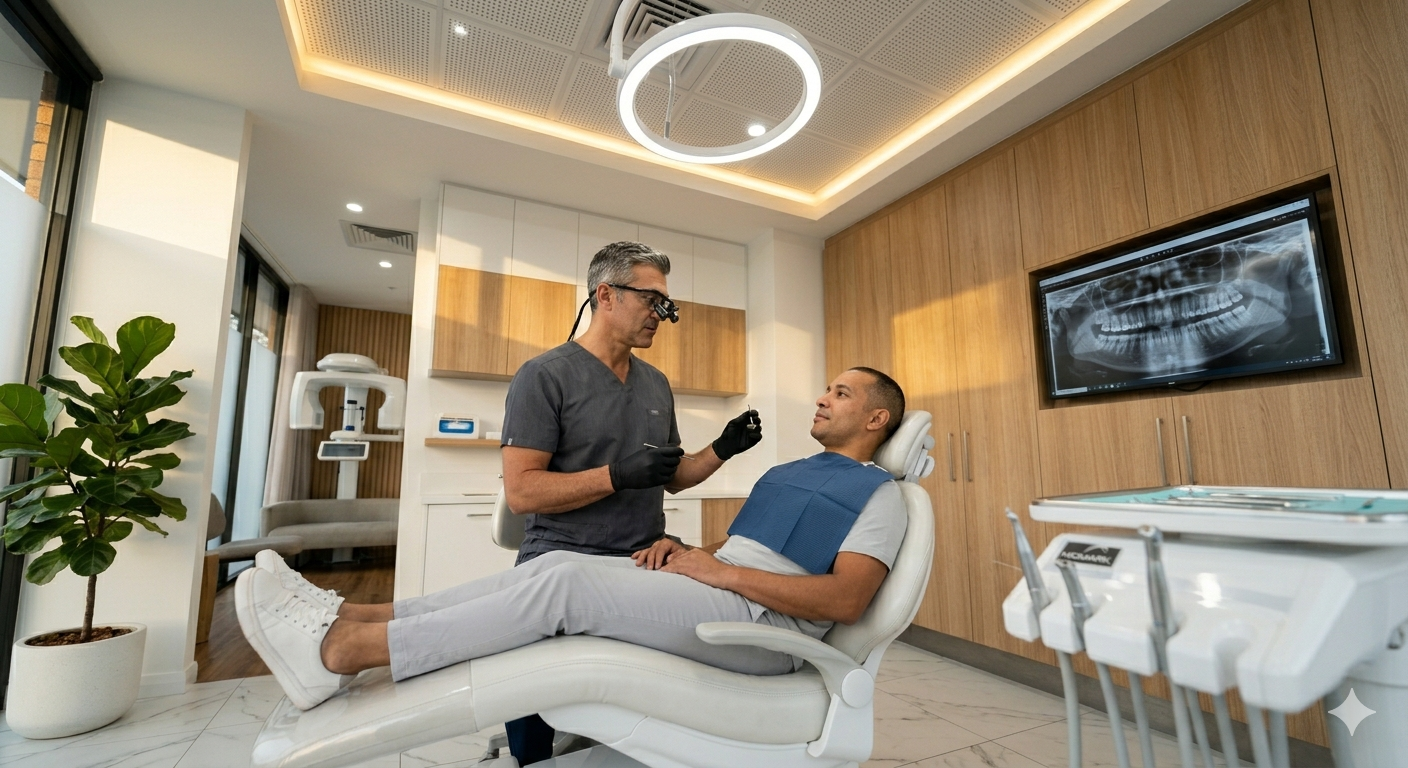
For those living in Lancaster, CA, looking to straighten their teeth without the hassle of traditional braces, Invisalign has become a popular choice. It offers a discreet, comfortable, and effective way to improve smiles while fitting smoothly into daily life.
Invisalign uses clear, custom-made aligners that gently shift teeth into place without the need for brackets or wires. This modern method makes it easier for patients to maintain oral hygiene and enjoy food without restrictions.
With a focus on patient comfort and effective results, many dental experts in Lancaster recommend Invisalign for both teens and adults. Understanding how it works and what to expect can help anyone decide if it’s the right step toward a healthier, straighter smile.
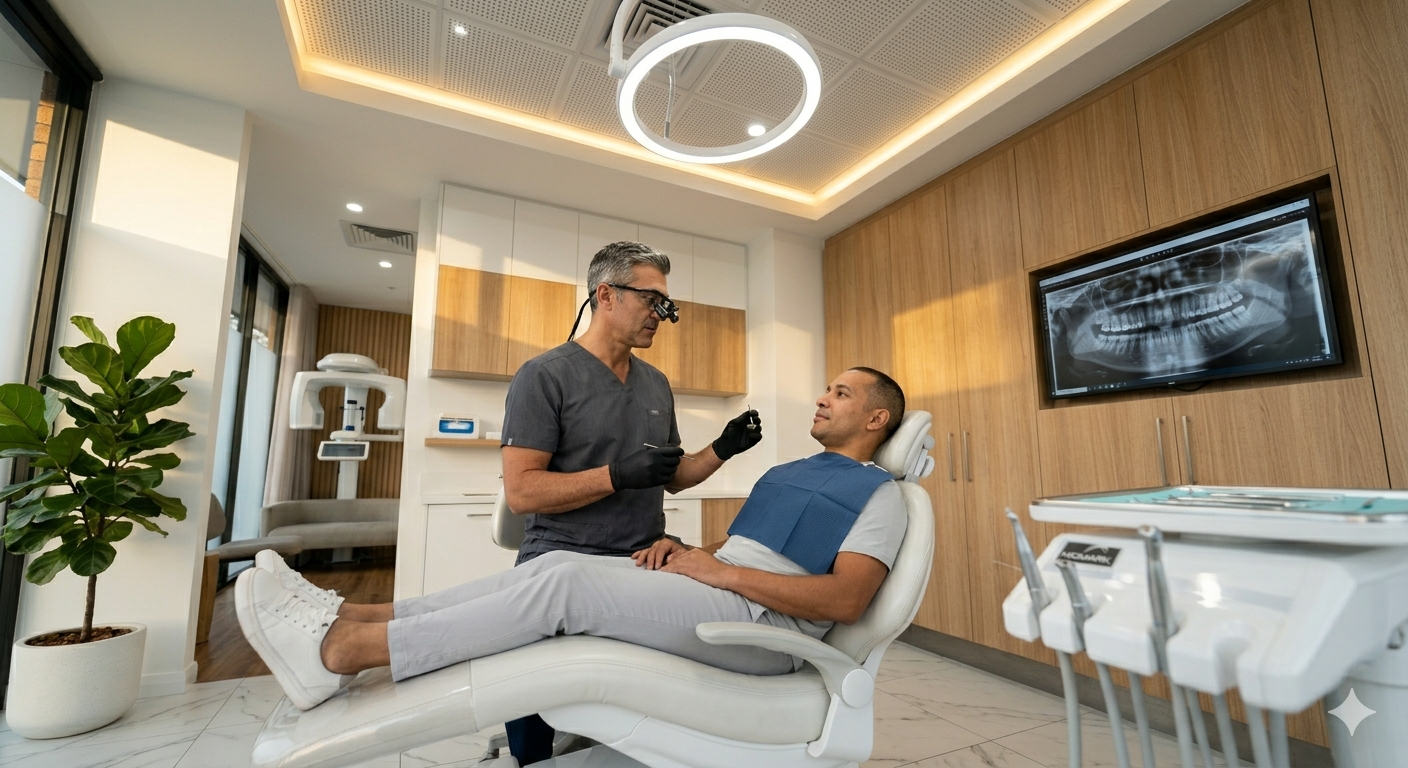
Clear aligners use a modern approach to straighten teeth discreetly and comfortably. They tailor gentle pressure to move teeth gradually, avoiding the bulk and visibility of traditional braces. This section explains how clear aligners work, their main benefits, and who they suit best.
Clear aligners are custom-made, removable trays crafted from smooth, BPA-free plastic. Unlike metal braces, they fit snugly over the teeth without wires or brackets. This design minimizes irritation to lips and gums.
Each set of aligners is usually worn for about two weeks before switching to the next in the series, gradually shifting teeth into proper alignment. The process relies on digital scans and 3D imaging for precise, personalized treatment planning.
Because they’re removable, patients can eat, brush, and floss without restrictions. This reduces common hygiene issues linked to braces, such as plaque buildup and decalcification. Their discreet look is ideal for people wanting a less noticeable solution.
Clear aligners offer several key benefits over traditional braces. First, their near invisibility helps patients maintain confidence during treatment. Since you can remove them, it’s easier to enjoy all types of food and maintain oral hygiene routines.
Treatment tends to cause less discomfort because there are no metal parts to poke or irritate the mouth. The gradual movement also often results in fewer emergency visits or broken hardware repairs.
Many find that the shorter initial consultation time and fewer follow-up appointments save time. The fewer dietary and lifestyle restrictions mean clear aligners fit more naturally into daily life.
Clear aligners work best for mild to moderate orthodontic issues. These include crooked or crowded teeth, spacing gaps, and minor bite flaws like overbites or underbites. Complex or severe cases may still require traditional braces or other treatments.
Candidates should be committed to wearing their aligners about 20-22 hours daily to achieve good results. Patients with good oral health and no active gum disease are generally preferred.
Younger patients whose teeth and jaws are still developing may benefit less from aligners unless carefully monitored. A consultation with a dental professional can determine the best course based on individual needs.
Getting started with Invisalign in Lancaster involves a detailed and caring process that focuses on each patient’s unique dental needs. This includes understanding personal smile goals, performing thorough evaluations, and using advanced technology for precise treatment planning.
During the initial consultation, the dental provider listens carefully to concerns and expectations. They review the patient’s dental and medical history to ensure Invisalign is a safe and suitable choice.
The visit usually includes a close examination of teeth and gums, checking for issues like cavities or gum disease that might affect treatment. The provider explains how Invisalign aligners work and answers questions about comfort, duration, and care.
This visit sets the foundation for a personalized treatment plan, allowing patients to feel informed and confident about the process ahead.
Clear communication about what the patient hopes to achieve is central to the consultation. The provider asks detailed questions about smile appearance, bite alignment, and any functional difficulties, such as trouble chewing or biting.
This evaluation helps tailor Invisalign to meet specific goals, whether straightening teeth, closing gaps, or correcting bite issues. It also ensures expectations are realistic and the treatment plan aligns with the patient’s lifestyle needs.
Taking the time to discuss these goals builds trust and ensures a focused, patient-centered approach.
Lancaster providers use digital scanning technology to create a precise 3D model of the patient’s teeth. These scans replace traditional molds, offering a faster, more comfortable experience without messy impressions.
Using the digital model, the team maps out tooth movements and develops a step-by-step treatment plan. Patients can often see a virtual preview of how their smile will improve, helping them understand the process and results.
The treatment plan includes timeline estimates, aligner changes, and routine visits to monitor progress, making the journey clear and manageable for the patient.
The Invisalign treatment in Lancaster, CA involves clear steps to ensure each patient’s smile improves safely and comfortably. Wearing the aligners correctly, regular check-ins with the dentist, and understanding the expected timeline are all crucial parts of the process.
Patients wear their custom aligners about 20 to 22 hours each day. They should remove them only to eat, drink anything other than water, and brush their teeth. Aligners need to be cleaned daily with a soft brush and mild soap to avoid stains and odors.
It’s important not to skip wearing aligners even for a short time, as this can slow down the progress. Protecting the aligners from damage by storing them in their case when not in use helps maintain their fit. Avoid hot water, which can warp the plastic.
Regular appointments, usually every 6 to 8 weeks, allow the dentist to monitor progress and make any necessary adjustments. These visits are brief, focusing on how well the teeth are shifting and checking that every aligner fits properly.
During these visits, the dentist may provide the next sets of aligners. They also answer questions and address any discomfort. Clear communication between the patient and the dentist helps maintain motivation and careful treatment.
Most Invisalign treatments in Lancaster CA last between 12 and 18 months, but this depends heavily on each individual case. Minor corrections could take as little as six months, while more complex adjustments require longer.
The total time depends on the severity of the dental issues and patient compliance with wearing the aligners. Following the schedule set by the dentist will help keep treatment on track and achieve the best results.
Living with Invisalign aligners in Lancaster, CA, involves some simple daily habits to ensure smooth progress. Patients will adjust their routines around eating, cleaning, and managing minor discomforts.
Invisalign aligners must be removed before eating or drinking anything other than water. This helps prevent staining and damage to the trays. Patients should carry a small case to store their aligners safely during meals.
Sugary or acidic drinks can cause tooth decay if consumed while wearing aligners. Drinking water often between meals is encouraged to keep the mouth clean. Avoid chewing gum or sticky foods before reinserting aligners, as these can stick or warp the plastic.
Eating without aligners on means there are no dietary restrictions, unlike traditional braces. Patients can enjoy all their favorite foods, though they should brush their teeth before putting the trays back in to avoid trapping food particles.
Keeping teeth and aligners clean is critical to prevent cavities and bad breath. Patients should brush and floss after every meal, followed by rinsing their aligners before reinserting them.
Using a soft-bristle toothbrush and non-abrasive toothpaste prevents scratching the aligners. Special cleaning crystals or gentle solutions designed for Invisalign can be used weekly to keep trays clear and odor-free.
Daily oral hygiene routines may take a bit longer but improve overall dental health during treatment. Regular visits to the dentist for check-ups and professional cleanings remain important throughout the process.
Some mild discomfort is common when switching to a new set of aligners, especially during the first few days. This usually feels like pressure as teeth gradually move.
Over-the-counter pain relievers and cold compresses can help reduce soreness. If irritation or sores develop, applying orthodontic wax or rinsing with saltwater offers relief.
Lost or damaged aligners should be reported to the orthodontist immediately. Ignoring issues can slow treatment progress. Most setbacks can be managed easily with timely care and communication.
Dental care in Lancaster, CA focuses on personalized treatment plans, advanced technology, and a patient-first approach. Skilled providers aim to make orthodontic care, like Invisalign, clear and manageable. Comfort and precise results are key priorities throughout the process.
Selecting a qualified Invisalign provider is crucial. Dentists and orthodontists in Lancaster with specialized Invisalign training offer the best results. They assess each patient’s unique dental structure, ensuring the aligners are custom-fit and effective.
Look for providers who have experience with complex cases, not just basic alignment. Many offer free consultations to discuss goals and treatment options. This initial visit helps patients understand what to expect and builds trust.
Credentials matter, but so does the dental office environment. Friendly staff, clear communication, and an open schedule make ongoing visits easier and less stressful.
Lancaster dental offices use digital scanning and 3D imaging to create precise Invisalign aligners. These tools replace messy molds, making the process quicker and more comfortable. The scans map out tooth movements over time, allowing for a treatment plan tailored to individual needs.
Technology also helps catch potential issues early. Software simulations show patients how their smile will change, giving a clear picture of progress. This keeps patients motivated and informed throughout their treatment.
By using up-to-date equipment, Lancaster providers minimize guesswork and improve the accuracy of each step.
Comfort during Invisalign treatment is a priority for Lancaster dental professionals. They explain each phase carefully to reduce anxiety and provide tips for managing any minor discomfort.
Custom-made aligners fit smoothly, with smooth edges to avoid irritation. Providers often recommend tools and techniques, like orthodontic wax or pain relievers, to ease adjustment periods.
Regular check-ins focus on listening to patient concerns and adjusting treatment plans when needed. This support helps patients stay comfortable and confident in their journey to a healthier smile.
Once Invisalign treatment wraps up, maintaining the new smile and keeping teeth healthy becomes the main focus. Patients will learn how to protect their results with retainers and adopt habits that support long-term oral health.
Retainers play a crucial role in preserving the alignment achieved by Invisalign. Typically, patients wear them full-time for the first few months after treatment, then gradually reduce to nighttime wear.
There are two common types: fixed retainers, a thin wire bonded behind teeth, and removable retainers, often clear plastic similar to Invisalign trays. The choice depends on the patient’s needs and dentist’s recommendation.
Wearing retainers consistently prevents teeth from shifting back. Skipping retainer use, even for short periods, can cause noticeable movement. Patients should clean their retainers daily with mild soap and water to avoid bacteria buildup.
Good oral hygiene remains essential after Invisalign. Brushing twice daily with fluoride toothpaste and flossing daily helps avoid cavities and gum disease, which can affect tooth position.
Regular dental checkups every six months allow for professional cleanings and early detection of any issues. Patients should also avoid hard or sticky foods that might damage dental work or natural teeth.
Hydration supports saliva flow, which helps neutralize acids and protect enamel. Drinking water frequently and minimizing sugary drinks can reduce decay risk.
Following these steps helps maintain your smile’s health and appearance well beyond Invisalign treatment.
Understanding the costs and payment plans available for Invisalign treatment in Lancaster, CA, helps make the process easier for many patients. Clear details on what influences the price and how insurance or financing can assist will help families and individuals plan accordingly.
The total cost of Invisalign depends on several key factors. Treatment complexity is one of the biggest—more severe misalignments require longer treatment and more aligners, increasing costs. Typically, prices range between $3,000 and $7,000 in Lancaster.
Additional costs may include initial consultations, follow-up visits, and retainers after treatment. Some dental offices charge separately for these services, so it’s important to ask upfront what the quoted price covers.
Patient lifestyle and treatment goals can also affect pricing. For instance, those looking for faster results might opt for accelerated treatment, which may come at a higher rate.
Many dental insurance plans cover part of Invisalign treatment, especially when it’s deemed medically necessary. Patients should check with their provider to understand their orthodontic benefits and any coverage limits, as coverage varies widely.
For those without insurance support, flexible financing is commonly offered. Payment plans can spread costs over several months or years with low or zero interest, making treatment manageable without a large upfront payment. Popular options include CareCredit and in-house payment plans tailored by Lancaster dental offices.
It’s advisable to discuss all available payment options during the consultation to find the best fit for each patient’s budget and timeline.
Choosing Invisalign in Lancaster, CA begins with a simple consultation. During this visit, the dentist will assess your smile and discuss your goals, making sure Invisalign is the right fit for you. This appointment is a great chance to ask questions and get clear information about the process.
Once you decide to move forward, the next step involves creating a customized treatment plan. Using digital scans, the dentist designs your aligners to gradually shift your teeth into place. This precise approach makes the journey smooth and predictable.
Patients typically receive a series of clear aligners, changing them every one to two weeks. They’re comfortable, removable, and nearly invisible, letting you maintain your daily routine without interruption. Regular check-ins ensure progress stays on track, with adjustments made as needed.
Here’s a simple checklist of what to expect:
| Step | What Happens |
|---|---|
| Initial Consultation | Smile evaluation and treatment discussion |
| Digital Scanning | Custom 3D images for precise aligner design |
| Aligners Delivery | Receive your first set of clear aligners |
| Follow-Up Visits | Monitor progress and make adjustments |
| Final Retainers | Maintain your new smile after treatment |
Taking these next steps in Lancaster can mean more confidence and comfort throughout your treatment. Encouraging patients to reach out with questions helps ensure they feel supported every step of the way.
Many people wonder about the cost, suitability, and comfort of Invisalign treatment in Lancaster, CA. They also want to know about timelines, managing lost aligners, and payment options.
Invisalign treatment in California generally ranges from $3,000 to $7,000. Costs depend on the complexity of the case, treatment length, and the provider’s experience.
Additional treatments or scans can increase the price, while some offices may offer packages that include follow-up visits.
Invisalign works well for mild to moderate crowding, gaps, and some bite problems like overbite or underbite. Severe cases might need traditional braces or other orthodontic solutions.
A dental professional will evaluate specific concerns to recommend the best treatment.
The consultation includes a review of your dental history and concerns, followed by a quick, painless digital scan of your teeth.
Most patients find the scan comfortable and less invasive than traditional molds.
Treatment typically lasts 12 to 18 months but can be shorter or longer based on individual needs. Check-ins usually happen every 6 to 8 weeks to track progress and receive new aligners.
Some providers may offer virtual check-ins for convenience.
If a tray is lost, patients should contact their dentist promptly to get a replacement. Missing days means teeth may shift back slightly, so treatment may need to be adjusted.
Wearing aligners 20-22 hours a day is crucial for effective results.
Many offices offer flexible payment plans or financing options through third parties to ease upfront costs. Options may include monthly installments, low-interest loans, or care credit programs.
Discussing payment during the consultation helps find the best fit.