You spot a broken bracket or a painful wire at dinner; you need clear, fast guidance to protect your smile and avoid unnecessary pain. An emergency orthodontist in Palmdale, CA can stabilize the problem quickly, relieve pain, and keep your treatment on track — often the same day.
They explain what qualifies as an orthodontic emergency, when to seek immediate care, and what to expect during an urgent visit so you can act confidently. With practical self-care tips, information on modern solutions, and advice for choosing the right Palmdale team, this article helps you handle the situation calmly and get the care you need.
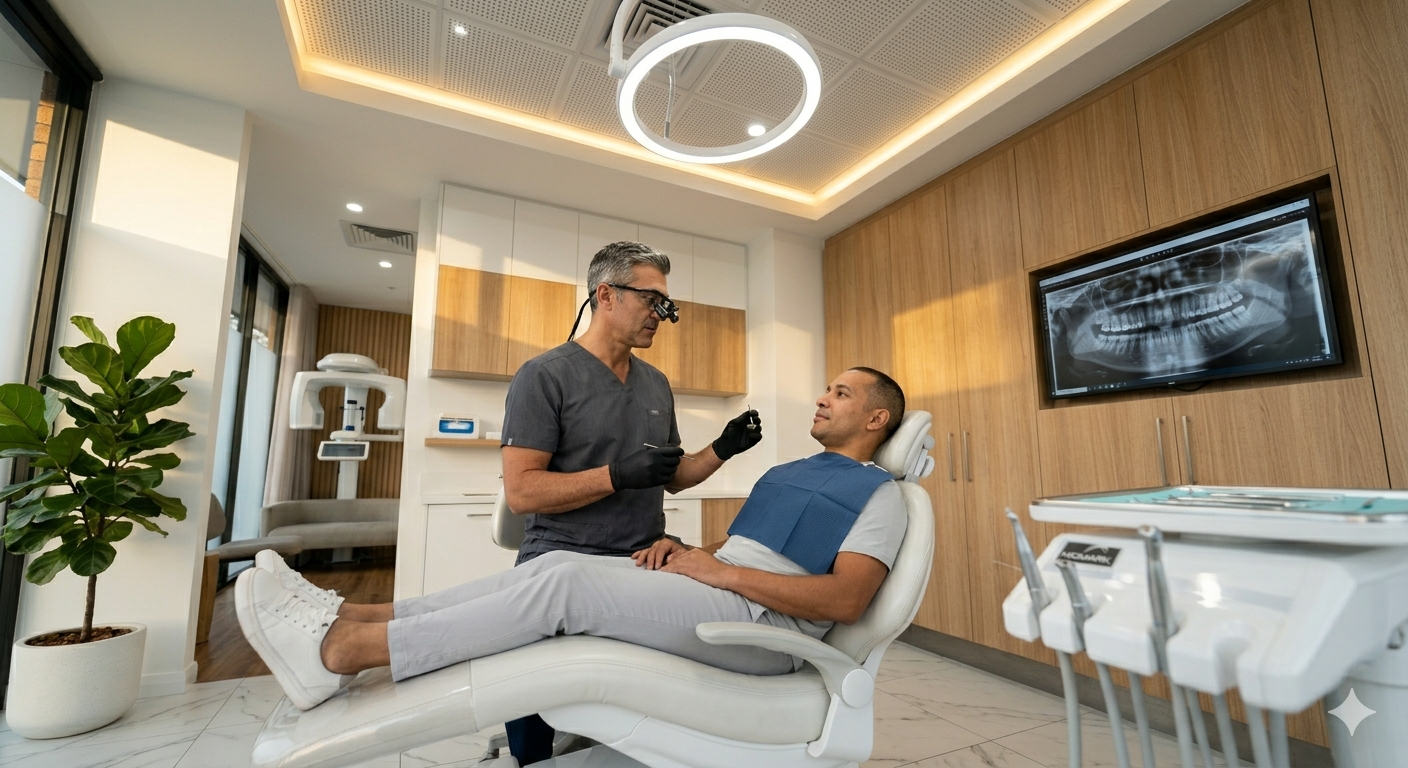
This section outlines typical appliance problems, soft-tissue irritation, and quick steps patients can take before contacting their orthodontist. It emphasizes immediate safety, simple home care, and when same-day professional attention is necessary.
Broken brackets or protruding wires can cut the tongue, cheeks, or gums and can halt tooth movement if left untreated. If a wire is poking, patients should try to tuck it under the lip with a clean cotton swab or pencil eraser; orthodontic wax applied over the end reduces irritation temporarily.
If a bracket detaches but remains on the tooth, save it and bring it to the office in a small container or plastic bag. A loose bracket that moves on the archwire can usually be stabilized with orthodontic wax until an appointment; avoid cutting the wire unless instructed. Persistent bleeding, severe pain, or a wire that pierces soft tissue requires immediate attention—call the orthodontic office for an emergency visit.
Lost ligatures (elastic ties) or bands can slow treatment and expose other components to slippage. If an elastic tie falls off, the wire still often holds teeth in place; try replacing the tiny rubber with a similarly sized ligature from an orthodontic care kit, or use wax to cover the bracket to prevent snagging.
If a metal band slips off a molar, do not attempt to re-seat it. Keep the band and bring it to the appointment. Avoid hard or sticky foods that could dislodge more parts. Contact the orthodontist promptly to schedule a repair to prevent unwanted tooth movement and preserve treatment progress.
Orthodontic appliances commonly cause sore spots on cheeks, lips, and the tongue, especially in the first weeks after adjustment. Rinse with warm salt water (1/2 teaspoon salt in 8 ounces of water) several times daily to reduce inflammation and promote healing.
Use orthodontic wax to cover rough spots and protect tissues while they heal. Over-the-counter pain relievers like acetaminophen or ibuprofen help manage discomfort; follow package dosing instructions. If sores are large, persist beyond a week, or show signs of infection (increased redness, swelling, pus), arrange an evaluation to rule out appliance-related injury or allergic reaction.
This section explains clear signs that require urgent attention and the consequences of waiting. It highlights specific symptoms, timelines, and what risks patients face if they delay care.
Severe pain that wakes a patient at night, is unrelieved by over-the-counter painkillers, or causes nausea and fever indicates possible infection or an abscess that needs immediate treatment. Significant swelling of the face, jaw, or neck—especially if it interferes with breathing or swallowing—requires emergency evaluation at once.
A tooth knocked out or fractured through the root needs prompt reimplantation or stabilization within an hour for the best chance of saving it. Orthodontic hardware problems that cause sharp metal to cut the lips, cheeks, or tongue, or that trap food and cause sudden pain or infection, should be addressed the same day.
Persistent bleeding after an injury that does not stop with firm pressure for 15–20 minutes merits urgent care. Sudden loosening of multiple teeth after trauma also signals possible jaw fracture or ligament damage needing immediate imaging and stabilization.
Delaying care for an infected tooth or damaged orthodontic appliance increases the chance that infection will spread to surrounding bone and soft tissues, sometimes requiring extraction or surgical drainage rather than simple root-canal therapy. Small repairs left unattended often become larger, more invasive, and more expensive procedures later.
If an avulsed tooth isn’t reimplanted quickly, the root surface cells die and the tooth cannot be saved. Untreated jaw fractures can heal improperly, causing long-term bite problems and chronic pain that require orthodontic and surgical correction.
Allowing sharp broken wires or loose brackets to persist raises the risk of lacerations, ulcerations, and secondary infection. Prompt care reduces pain, preserves teeth, and shortens overall treatment time—calling the emergency orthodontist in Palmdale, CA, as soon as these signs appear gives the best outcome.
Patients can expect a focused, fast intake and a clear plan to stop pain, stabilize appliances, and arrange follow-up care. The team will prioritize comfort, provide immediate relief measures, and explain next steps in plain language.
Upon arrival, staff complete a brief medical history and document the orthodontic appliance, injury timing, and pain level. They take photographs and, if needed, a limited dental X-ray to check tooth roots, bracket position, and possible fractures.
The orthodontist conducts a hands-on exam to test tooth mobility and check wires, brackets, and bands. They evaluate soft-tissue injuries—cuts, swollen gums, or cheek lacerations—and determine if a referral to an emergency room or oral surgeon is required.
Typical diagnostic outcomes include loose teeth, displaced brackets, broken wires, poking archwires, or soft-tissue trauma. The clinician explains findings, shows images when possible, and outlines immediate actions and follow-up appointments.
First-line treatment focuses on pain control and preventing further damage. The team can trim or cover a poking wire, reattach or temporarily secure a loose bracket with dental cement, and place cotton or orthodontic wax over sharp edges.
For more serious displacement, they may reposition a tooth and stabilize it with a splint or adjust appliance tension to relieve pressure. Prescription or over-the-counter analgesics are recommended based on the patient’s medical history.
If swelling or lacerations occur, they provide antiseptic rinses, suture referrals, or antibiotics when indicated. Staff give clear aftercare instructions—soft diet, ice packs, oral hygiene tips—and schedule definitive repairs, such as rebonding brackets or completing wire adjustments, at the next available appointment.
Keep pain controlled, protect loose wires or brackets, and gather the items and information the clinic will ask for. Small steps at home can reduce discomfort and make the emergency visit faster and more effective.
They should take over-the-counter pain relievers such as ibuprofen (200–400 mg every 4–6 hours as needed) or acetaminophen (500–1000 mg every 4–6 hours) following package directions and any personal medical restrictions. Applying a cold pack to the cheek—wrapped in a thin cloth—for 10–15 minutes on, 10 minutes off reduces swelling and numbs pain.
Rinsing with warm salt water (1/2 teaspoon salt in 8 ounces of warm water) loosens food debris and soothes irritated gums; have them swish gently and spit, repeating every few hours. If oral anesthetic gels (benzocaine) are available, apply a pea-sized amount to the sore spot for short-term relief, avoiding prolonged use in children under two years without medical advice.
If bleeding occurs, they should bite down on sterile gauze or a damp tea bag for 10–15 minutes to help clot formation. Persistent severe pain, fever, or spreading swelling requires immediate professional evaluation and possibly antibiotics or urgent drainage.
If a wire is poking the cheek or tongue, they can use a clean pencil eraser to gently push the wire flat against the tooth. Dental wax works best: pinch off a small piece, roll into a ball, and press over the troublesome bracket or wire to create a smooth surface that reduces irritation.
For a loose bracket still attached to the wire, they should leave it in place and cover it with wax; avoid cutting the wire unless instructed. If a bracket or band comes off entirely, save it in a clean container and bring it to the appointment—sometimes the orthodontist can reattach it.
Broken removable appliances should be kept in a safe container and not worn. For sharp metal causing cuts, trim only if they have clean nail clippers and can safely remove the sharp end; otherwise cover with wax and seek immediate care. Bring photos of the problem and a list of current medications to the visit to speed treatment decisions.
Finding an orthodontic team that combines technical skill with patient-centered care matters most. Practical factors include board certifications, years treating emergencies, clear communication, and office accessibility.
Look for an orthodontist who is a Diplomate of the American Board of Orthodontics or who holds active state licensure and ADA membership. These credentials indicate advanced training and adherence to professional standards. Verify the lead clinician’s years of practice, number of emergency cases managed annually, and any additional certifications in sedation or trauma management.
Check the team’s use of modern imaging and orthodontic technology — digital x-rays, 3D scans, and intraoral cameras reduce diagnostic guesswork and speed treatment decisions. Ask about continuing education: staff who regularly attend courses on emergency protocols typically respond more efficiently when complications arise. Review patient testimonials that specifically mention emergency visits, wait times, and outcomes to confirm real-world performance.
A patient-focused team prioritizes clear communication, comfort measures, and transparent pricing. They explain emergency options plainly — for example, same-day appliance repair, temporary stabilization, or referral pathways to oral surgeons — and provide written estimates for any urgent procedures. Reception staff should offer flexible scheduling and a direct line for after-hours concerns.
Comfort measures matter: look for offices that offer topical anesthetics, nitrous oxide, or fast-acting local anesthetic for procedures. Evaluate the team’s bedside manner during initial calls or visits; calm, empathetic responses reduce patient anxiety. Finally, confirm follow-up protocols—same-week checks after emergency treatment and easy access to post-care instructions—to ensure continuity and recovery.
When a wire pokes the cheek or a bracket comes loose, modern clinics in Palmdale offer fast, effective fixes that reduce pain and protect treatment progress. They prioritize same-day assessments and quick interventions to prevent worsening issues.
Temporary measures like orthodontic wax, silicone sleeves, or trimmed wires can provide immediate comfort until a professional appointment. These options are simple, low-cost, and often handled at the front desk or via brief guidance over the phone.
Clinics now use clear emergency protocols and digital imaging to diagnose issues quickly. High-resolution intraoral cameras and portable X-rays allow clinicians to see the problem precisely and plan the least invasive repair.
Advanced repairs include bracket rebonding, wire replacement, and appliance adjustment or recontouring. For displaced teeth or trauma, clinicians coordinate with general dentists or oral surgeons to stabilize teeth and protect roots.
Many practices offer flexible scheduling, walk-in emergency slots, and teledentistry consultations for urgent advice. Teledentistry can guide immediate home care, confirm whether an in-office visit is needed, and reduce anxiety by explaining next steps.
Insurance, payment plans, and transparent emergency fees are commonly discussed up front. This helps patients make informed choices quickly and focus on comfort and recovery.
If pain, swelling, or bleeding persists, the clinic recommends contacting the orthodontist right away. They encourage patients to ask about after-hours options and bring photos or a clear description to speed care.
Maintaining consistent daily habits and protective measures reduces the chance of sudden pain, broken brackets, or lost retainers. Simple actions—cleaning effectively, choosing the right foods, and using protective gear—prevent most urgent visits.
They should brush twice daily with a soft-bristle brush and fluoride toothpaste for two minutes each time. Focus on the gum line and chewing surfaces; use gentle, circular strokes to remove plaque without damaging enamel.
They should floss once daily using floss threaders or interdental brushes if needed. For tight contacts or around appliances, an interdental brush reaches where standard floss can’t and reduces food trapping.
Use a fluoride mouth rinse nightly if enamel is thin or decay risk is higher. A 0.05% sodium fluoride rinse applied after brushing strengthens enamel and lowers sensitivity.
Keep a small oral care kit for travel and emergencies: a soft brush, floss, fluoride toothpaste, and temporary dental wax. Regular dental checkups every six months catch small issues—loose fillings, early decay—before they become emergencies.
They must avoid hard, sticky, or chewy foods: whole nuts, hard candies, popcorn kernels, caramel, and bagels. These foods often break wires or dislodge brackets and account for most appliance-related emergency visits.
Wear a custom-fitted mouthguard for contact sports or recreational activities. A mouthguard cushions impacts and prevents lip, cheek, and appliance damage.
Learn quick fixes for loose wires or brackets: use orthodontic wax to cover poking wires and a clean pencil eraser to gently push a bent wire back into place. If a bracket detaches, store it in a clean container and bring it to the orthodontist.
Attend scheduled orthodontic adjustments and report persistent poking, new pain, or significant loosening right away. Prompt adjustments prevent worsening alignment problems and reduce the need for urgent repairs.
Patients should call the emergency orthodontist in Palmdale, CA, as soon as they notice a problem. A quick phone consult helps determine whether the issue needs same-day care or simple at-home steps until an appointment.
They can prepare by noting symptoms, the time the injury occurred, and any appliances involved. Photos of the mouth or appliance speed triage and let the team advise more accurately.
The clinic usually offers a short intake process and flexible scheduling for urgent needs. Staff explain costs, insurance considerations, and available payment options up front to reduce stress.
If pain or swelling is present, the team may recommend short-term measures like cold compresses, over-the-counter pain relief, or soft foods. These steps are safe and practical while waiting for professional care.
Patients who wear braces or clear aligners get tailored instructions for appliance repair or temporary adjustment techniques. The clinic can often provide emergency replacement parts or make quick in-office fixes.
To reach the practice quickly, use the clinic phone number or online booking link. They also keep a checklist of what to bring: ID, insurance card, a list of medications, and photos of the issue if available.
Patients with questions about follow-up care, comfort measures, or long-term treatment options are invited to call or message the office. The team will schedule a full evaluation and discuss personalized treatment plans to restore function and comfort.
This section answers common, practical concerns about broken brackets, poking wires, pain, swelling, and where to seek care. It clarifies when to call an emergency orthodontist in Palmdale, what to do at home safely, and what to expect for timing and costs.
A true emergency involves severe pain, uncontrolled bleeding, or facial swelling that could affect breathing or swallowing.
A displaced appliance or wire that injures the cheek, tongue, or gums and can’t be temporarily managed also qualifies as urgent.
Use orthodontic wax to cover a poking wire or a sharp bracket; apply small pieces and press gently to form a cushion.
If wax isn’t available, try a moistened cotton ball or sugar-free gum as a temporary barrier. Avoid cutting wires with household scissors; call the office for guidance or use sanitized needle-nose pliers to gently bend the wire under supervision.
Urgent care and the ER can manage bleeding, facial trauma, and severe infection risk, and they can prescribe pain or antibiotics.
They usually cannot repair braces or fine-tune orthodontic appliances; follow-up with an orthodontist is necessary for appliance-specific fixes and adjustments.
Severe pain, swelling that affects breathing or swallowing, or spreading infection needs same-day evaluation.
Persistent intense pain or sores that limit eating or cause fever should be seen within 24 hours to prevent complications.
Yes. Seeing another licensed orthodontist or the on-call provider is appropriate for immediate relief and appliance stabilization.
Notify the regular office promptly so they can review any emergency care and continue coordinated treatment.
Emergency visit fees vary by practice; expect a separate emergency charge plus any repair or appliance fees.
Many offices accept major dental insurance, offer payment plans, and allow credit card or CareCredit payments; confirm coverage and out-of-pocket costs before treatment when possible.