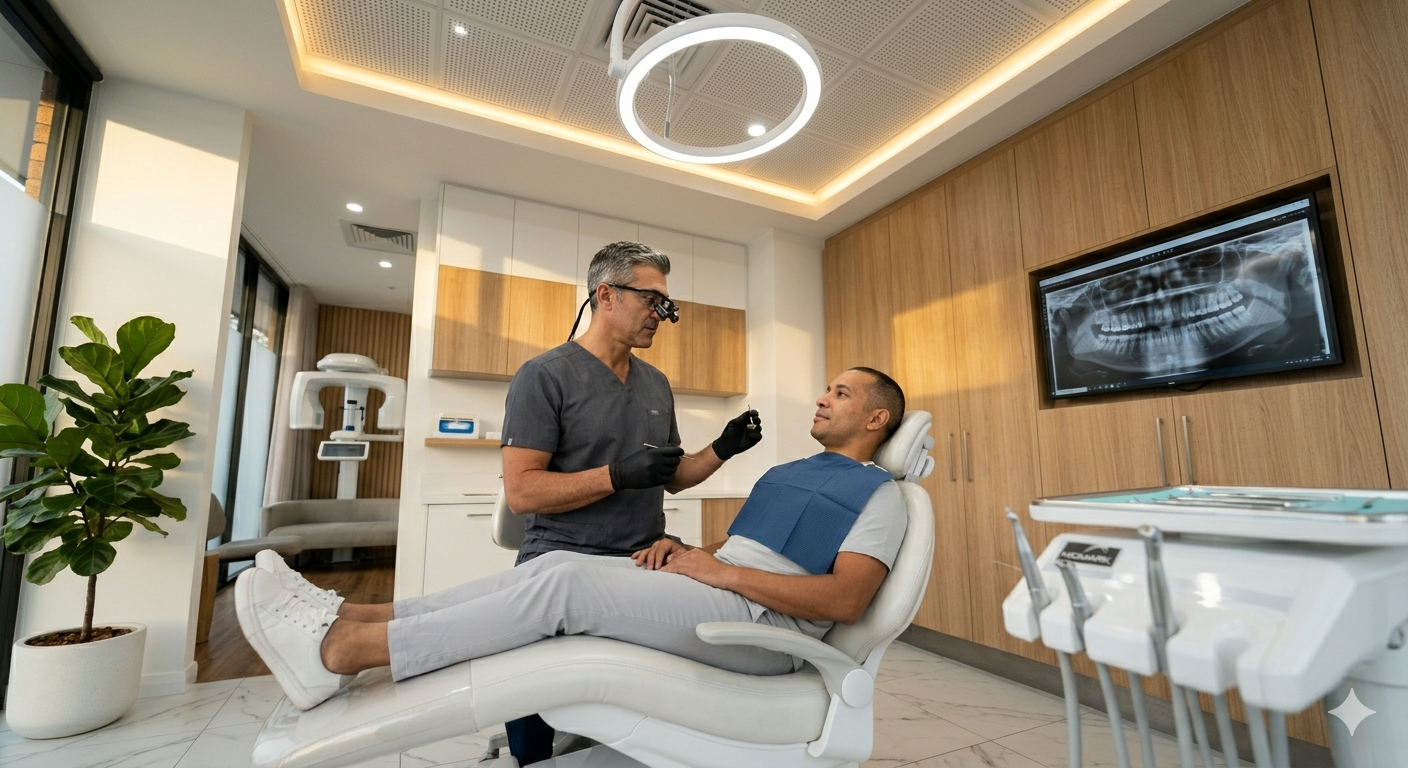
You’ll find clear aligners a discreet, comfortable way to straighten teeth without metal brackets, and many Lancaster and Palmdale practices offer modern options tailored to your schedule and lifestyle. If you want a straighter smile with fewer office visits and more predictable results, clear aligners are a strong choice for most teens and adults in the area.
Local offices explain how aligners work, compare benefits like removability and easier hygiene, and walk you through costs, treatment time, and aftercare so you can make an informed decision. Expect approachable guidance on choosing a nearby provider, what the treatment journey looks like, and how to support teens or adults during therapy—so you can decide whether to book a consultation and start planning your smile.
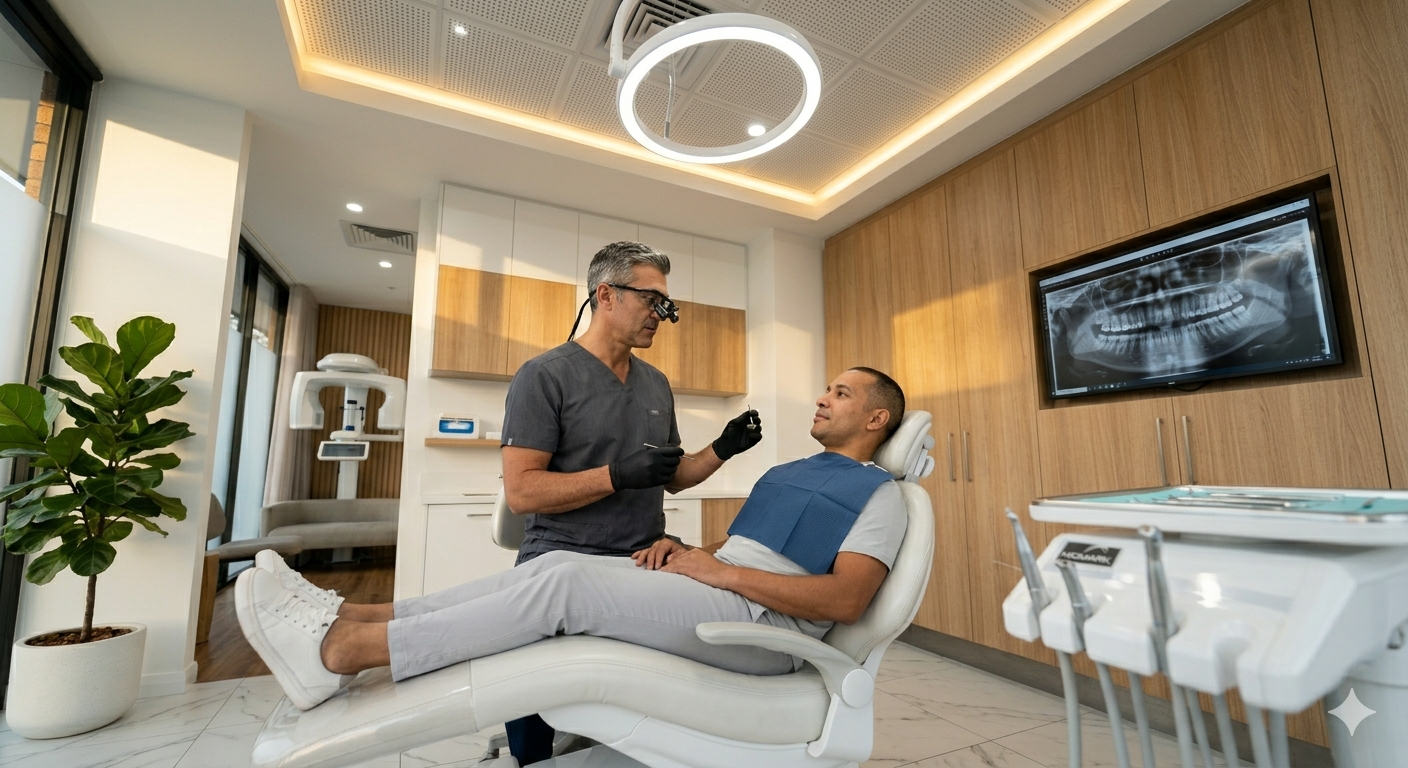
Clear aligners use a series of custom, removable trays to move teeth gradually. They offer a discreet alternative to metal braces and prioritize comfort, hygiene, and predictable results.
Clear aligners rely on precise digital planning and staged pressure to shift teeth. First, a dentist or orthodontist takes a 3D scan or impressions of the patient’s mouth. Those records feed into software that maps each tooth’s current position and the desired final alignment. The software then designs a sequence of aligner trays, each one changing tooth position by a small, controlled amount—typically 0.25–0.33 mm per stage.
Patients wear each tray for about one to two weeks, removing it only for eating, brushing, and flossing. Consistent wear—usually 20–22 hours per day—is crucial for predictable movement. Regular check-ins every 6–10 weeks let the provider confirm progress and make mid-course adjustments if needed.
Clear aligners address many common alignment problems without metal wires. They treat mild to moderate crowding, where teeth overlap due to lack of space. They correct spacing issues such as gaps between teeth. Aligners also handle certain bite problems: mild to moderate overbite, underbite, and crossbite cases.
Complex skeletal issues or very severe crowding may still require traditional braces or surgical intervention. Attachments—small tooth-colored bumps bonded to teeth—can help aligners grip and move stubborn teeth. Elastic bands sometimes pair with aligners to correct jaw position. The provider evaluates case complexity during the initial consultation to determine candidacy.
Clear aligners offer several practical benefits compared with metal braces. They are nearly invisible, which appeals to adults and teens who want a low-profile option. Removability makes eating and oral hygiene easier; patients can brush and floss normally, reducing the risk of plaque buildup and staining.
Comfort improves because there are no brackets or wires to irritate lips and cheeks. Treatment planning with digital scans gives patients a visual timeline and expected outcome. However, success depends heavily on patient compliance; inconsistent wear can extend treatment time. Cost and suitability vary, so a professional evaluation in Lancaster or Palmdale helps determine the best choice for each patient.
Residents find clear aligners offer discreet, comfortable teeth-straightening with predictable scheduling and fewer office visits. Many appreciate options that fit work, school, and family routines without drawing attention.
Clear aligners sit close to the teeth and use smooth plastic, which reduces irritation compared with metal brackets and wires. Patients report that aligners are barely noticeable in photos and meetings, helping professionals, students, and public-facing workers keep a natural appearance during treatment.
Because aligners are removable, people can eat normally and maintain usual oral hygiene. That means no food restrictions and easier flossing, lowering the daily inconvenience that comes with traditional braces. Local clinics in Lancaster and Palmdale often provide multiple aligner sets at once, shortening in-office time and fitting busy schedules.
Comfort features include rounded edges and gradual tooth movement through sequential trays. This staged approach minimizes acute soreness and lets patients adapt to small changes week by week, making treatment tolerable for teens and adults alike.
Clear aligner treatment begins with a 3D scan or impressions to create a precise model of each patient’s mouth. Providers in Lancaster and Palmdale then map tooth movement digitally, so the sequence and timing of each tray target specific alignment goals—crowding, spacing, or bite issues—rather than a one-size-fits-all approach.
Plans typically include estimated duration, number of trays, and scheduled check-ins. This transparency helps patients plan around work, school, and family commitments. Many practices offer remote monitoring options, where photos or app check-ins reduce the need for frequent clinic visits.
Clinics adapt plans for orthodontic complexity and adjunctive treatments, such as attachments, interproximal reduction, or staged restorative work. That coordination ensures the aligner path supports long-term function and esthetics, not just short-term straightening.
Aligners correct crowding and misalignment that otherwise trap plaque and make brushing and flossing difficult. By improving tooth position, aligner treatment lowers localized risk for cavities and gum inflammation because surfaces become easier to clean.
Correcting bite problems also distributes chewing forces more evenly, which can reduce abnormal tooth wear and jaw strain over time. For patients with prior restorations, improved alignment helps protect crowns and fillings from uneven stress.
Local dental teams often integrate periodontal assessment and hygiene instruction into aligner care. That combined focus—alignment plus preventive maintenance—supports healthier smiles that are easier to keep clean after treatment.
Patients can expect a clear, step-by-step path that begins with a focused exam and ends with guided maintenance. Local practices emphasize comfort, precise planning, and regular check-ins to keep treatment predictable and efficient.
During the first visit, the dentist or orthodontist reviews medical and dental history and performs a targeted oral exam. They assess bite, tooth alignment, gum health, and any restorations that could affect movement.
Digital photos and radiographs are usually taken to document current conditions and identify hidden issues like impacted teeth or root concerns.
The clinician discusses realistic goals, showing examples of likely outcomes and timeline estimates for Lancaster and Palmdale patients based on case complexity. Financial options, insurance coverage, and any preparatory work—such as fillings, extractions, or periodontal treatment—are explained up front.
Patients receive an outline of appointments, expected wear time, and contact methods for questions or emergencies.
Most practices use intraoral scanners to capture precise 3D models in minutes instead of messy putty impressions. The scanner produces a digital file that the clinician reviews immediately for fit, occlusion, and spacing issues.
A digital setup shows staged tooth movements; clinicians can display animated before-and-after visualizations to set clear expectations.
The lab or aligner company fabricates a series of aligners based on the approved plan. Local providers confirm staging, attachments, and any planned interproximal reduction (IPR) to create space.
Clinicians schedule the first delivery, explain wear protocols, and provide printed and digital instructions for hygiene and handling.
Patients typically wear aligners 20–22 hours per day, removing them only to eat, drink anything other than water, and brush or floss. Consistent wear preserves the planned tooth movement and shortens treatment time.
Switching to the next tray usually happens every one to two weeks; the clinician specifies cadence based on monitoring and tooth response.
Daily cleaning uses a soft toothbrush and gentle soap or manufacturer-recommended cleaner; avoid hot water and abrasive pastes. Carrying a slim case and a travel toothbrush helps patients in Lancaster and Palmdale maintain routines while at work, school, or traveling.
Scheduled check-ins—often every 6–10 weeks—allow adjustments, progress photos, and replacement trays if needed. Patients are encouraged to report discomfort or breakage promptly to avoid delays.
Clear aligner care adapts to different life stages. Practical differences include monitoring growth and compliance for teens, and addressing work, social commitments, and restorative dental needs for adults.
Teen treatment emphasizes growth monitoring and reliable wear-time. Orthodontists often prescribe 20–22 hours of daily wear and schedule checkups every 6–8 weeks to track tooth movement and jaw development.
Many practices use compliance indicators or apps that record wear time; these tools help parents and clinicians ensure progress without guesswork.
Because teens may have mixed dentition or unerupted molars, attachments and phased aligners are common to guide complex movements safely.
Oral hygiene is critical: removable aligners allow brushing and flossing without brackets, but patients must clean trays daily and rinse after meals to avoid staining and decay.
Insurance and financing options tailored to families can reduce cost barriers, and clear communication about expectations prevents frustration during treatment.
Adults receive aligner plans that integrate with existing dental work and professional schedules. Providers evaluate crowns, implants, and gum health before starting; aligners can often move teeth without compromising restorations, but sometimes require coordinating with a prosthodontist.
Aesthetic and practical advantages matter: nearly invisible trays suit professional settings, and removability lets patients eat and exercise without restrictions.
For time-pressed adults, many clinics offer accelerated options like optimized attachments or shorter aligner intervals and periodic remote monitoring to reduce office visits.
Periodontal health assessments guide treatment for those with gum recession or bone loss; oftentimes a close partnership with a periodontist improves outcomes.
Clear financial plans and transparent timelines help adults balance treatment with life priorities and encourage informed commitment.
Look for a provider who combines clinical expertise, patient-centered care, and clear financial guidance. Practical details—location, technology, and staff communication—affect treatment success and comfort.
They should have specific experience with clear aligners, not just general dentistry. Check credentials: board certification, years treating aligner cases, and before-and-after photos of similar malocclusions. In Lancaster and Palmdale, ask whether the practice uses 3D scanners, digital treatment planning, and in-house or lab-fabricated aligners; those tools improve fit and predictability.
Evaluate the clinical workflow: frequency of monitoring visits, telehealth options, and who handles refinements or attachments. Confirm whether the provider collaborates with a supervising orthodontist when a general dentist offers aligners. Read recent patient reviews for consistency in outcomes and look for transparency about expected treatment time and compliance requirements.
Patient comfort starts at the front desk. They should offer clear scheduling, short wait times, and staff who explain each step in plain language. During treatment, patients benefit from a named point of contact—someone who answers questions about trays, sore spots, or lost aligners quickly.
Ask about pain management and adjustment protocols. Good practices provide written care instructions, replacement tray policies, and emergency contact procedures. Verify availability of remote monitoring apps or photo check-ins to reduce office visits, and confirm whether the practice measures patient satisfaction and follows up after treatment to address retention and long-term stability.
Transparent cost breakdowns matter. Providers should list total fees, what initial consultation includes, and separate charges for scans, refinements, or attachments. Compare quotes from Lancaster and Palmdale offices for inclusions like retainers, follow-up visits, and potential refinement sets.
Insurance handling should be straightforward: staff should verify orthodontic benefits, estimate patient responsibility, and submit claims electronically. Look for flexible payment plans—zero-interest options, monthly installments, or third-party financing—and clear late-payment policies. Ask whether discounts apply for upfront payment, family plans, or employer benefits, and confirm how refunds are handled if treatment changes.
Patients should expect a short transition from active aligner wear to retainer maintenance and routine dental care. Following clear aligner treatment, wearing retainers as prescribed and keeping a steady oral hygiene routine preserves the new tooth positions and prevents relapse.
Retainer wear matters more than occasional checks. Most clinicians prescribe full-time wear (20–22 hours daily) for the first 3 months, then nightly wear indefinitely. Skipping hours or months risks teeth shifting back toward their original positions.
Store and clean retainers daily. Rinse after removal, brush gently with a soft toothbrush and non-abrasive toothpaste or mild soap, and soak weekly in a retainer cleaner per product instructions. Avoid hot water and leaving retainers in direct sun to prevent warping.
Schedule follow-ups at 3, 6, and 12 months post-treatment, then annually. Bring retainers to visits so the provider can check fit; a poor fit signals tooth movement or retainer wear and may require a replacement or new scan.
Maintain brushing twice daily and interdental cleaning once daily to protect enamel and gums around moved teeth. Aligners don’t change cavity or gum disease risk; plaque control remains essential for long-term results.
Use fluoride toothpaste and consider a fluoride mouthwash if the clinician recommends it for sensitivity or decay prevention. Address sensitivity with desensitizing toothpaste and report persistent pain or mobility promptly.
Keep regular dental cleanings every six months. Professional hygiene removes calculus that aligners and home care might miss. If concerns about bite, wear, or esthetics arise, consult the treating orthodontist or dentist for adjustments or retention updates.
If questions remain about retainer types, replacement timing, or travel care, contact the dental office to arrange a brief consult or replacement order.
Patients often have specific concerns about clear aligners, and the practice welcomes every question. They encourage asking about treatment time, comfort, costs, and expected results.
Staff explain options clearly and compare aligners with traditional braces when helpful. They use simple visuals and examples so patients understand each step without jargon.
Appointments include time for questions and a thorough assessment of oral health. Patients learn how aligners fit into daily life, from eating to cleaning, and what to expect during follow-ups.
Common questions include:
They provide honest answers and, when needed, recommend in-office or digital scans to create a personalized plan. Financing and insurance options are discussed in plain terms so families can plan confidently.
Patients can contact the office by phone, email, or online form to request a consultation. Staff respond promptly and help schedule a convenient appointment to explore clear aligner options in Lancaster and Palmdale.
This section answers practical questions about candidacy, treatment time, comfort compared to braces, checkup frequency, costs and insurance, and what to do if an aligner is lost or not worn as prescribed. Each answer focuses on what patients in Lancaster and Palmdale can expect in a typical clear-aligner plan.
Many adults and teens with mild to moderate crowding, spaced teeth, or minor bite problems qualify for clear aligners.
A dentist or orthodontist in Lancaster or Palmdale will review X‑rays and intraoral scans to confirm whether aligners can safely and effectively treat the issue.
More complex tooth movement or severe bite problems may require braces or combined treatments.
The clinician will recommend the best option and explain realistic outcomes before treatment begins.
Typical treatment ranges from 6 to 18 months depending on the complexity of the tooth movements.
Small spacing or minor alignment often finishes closer to six months; cases needing rotation, extrusion, or bite correction can extend past a year.
Patient compliance, frequency of refinements, and biological response to tooth movement affect speed.
Skipping wear time, missed appointments, or needing additional aligner sets lengthen treatment.
Clear aligners are removable, smooth plastic trays that often cause less soft‑tissue irritation than metal brackets and wires.
They are nearly invisible in casual conversation and photos, so many patients prefer them for appearance.
Braces can achieve complex movements more predictably in some cases and don’t rely on patient removal habits.
A provider will compare predicted results and comfort for each option before recommending treatment.
In‑office checkups usually occur every 6 to 10 weeks to monitor progress and issue refinements or attachments.
Some routine checks—like reviewing fit and compliance—may be handled via secure teledentistry, especially for stable progress.
Hands‑on visits remain necessary when attachments, interproximal reduction (IPR), or mid‑course corrections are required.
The local clinician will create a follow‑up schedule tailored to the treatment plan.
In Lancaster and Palmdale, clear aligner costs commonly range from about $2,500 to $6,500 depending on case complexity and provider.
Dental insurance may cover part of treatment when orthodontic benefits apply, but coverage limits and lifetime maximums vary by plan.
Many offices offer interest‑free monthly plans or third‑party financing to spread payments.
A consultation usually includes a written cost estimate and explanation of insurance and payment options.
Missing wear time for a few days can slow progress and may cause mild regression, especially early in treatment.
If an aligner is lost, contact the provider promptly; they often advise switching to the next tray or ordering a replacement.
Extended gaps in wear typically require a reassessment and possibly new scans and refinements.
Patients are encouraged to call their Lancaster or Palmdale clinician as soon as an issue arises to minimize delays.