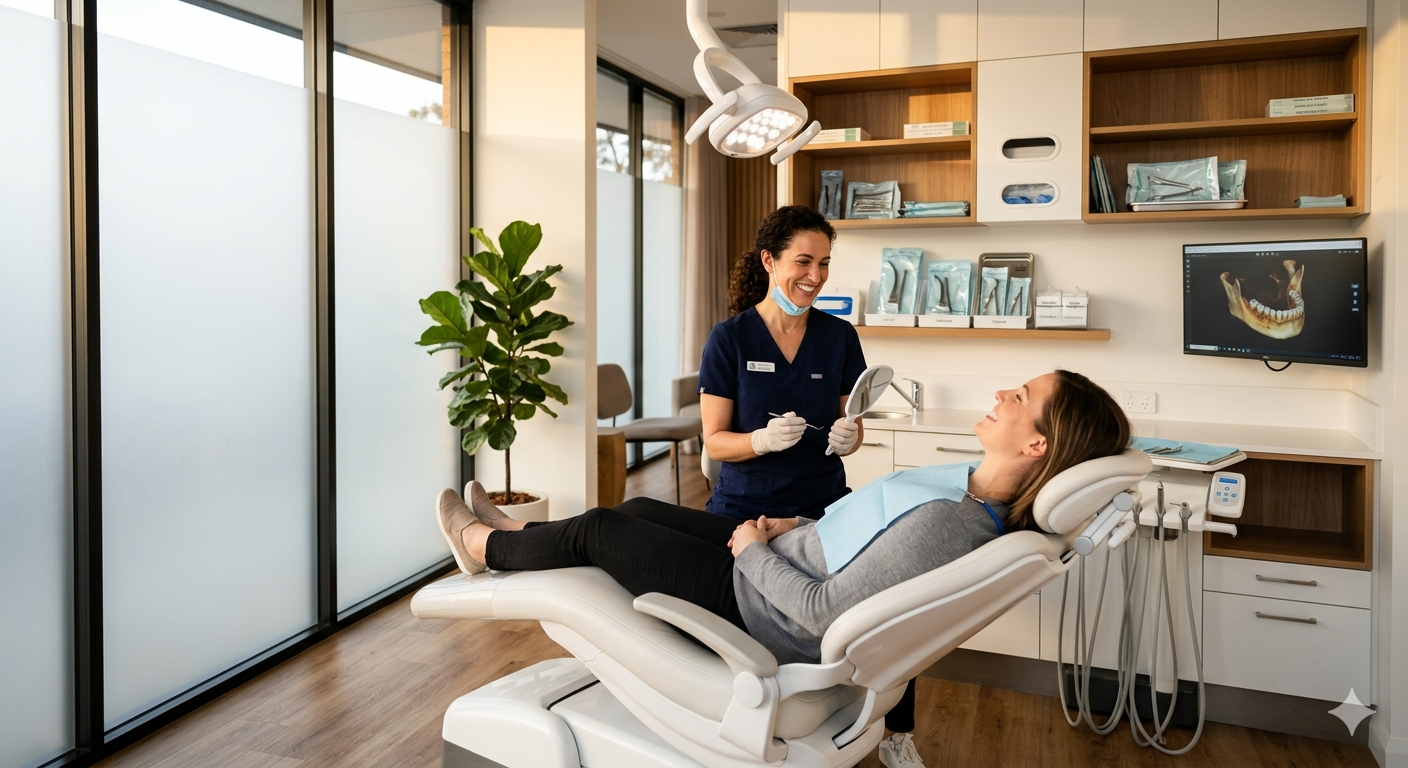
When dental emergencies strike in Lancaster, CA, knowing where to turn quickly can make all the difference. Whether it’s a sudden toothache, a knocked-out tooth, or severe gum pain, finding an emergency dentist who can provide prompt, compassionate care is key. An emergency dentist in Lancaster offers same-day appointments to address urgent dental issues and prevent further complications.
These dental professionals understand that emergencies don’t follow a schedule, which is why they prioritize patient comfort and use modern treatments to ease pain and restore oral health efficiently. Patients don’t need to wait or worry alone—help is available when it’s needed most.
If you or someone you care about faces a dental emergency, having clear information about local emergency dentists can bring peace of mind. This article will guide you through what to expect, how to prepare, and where to find reliable care in Lancaster.
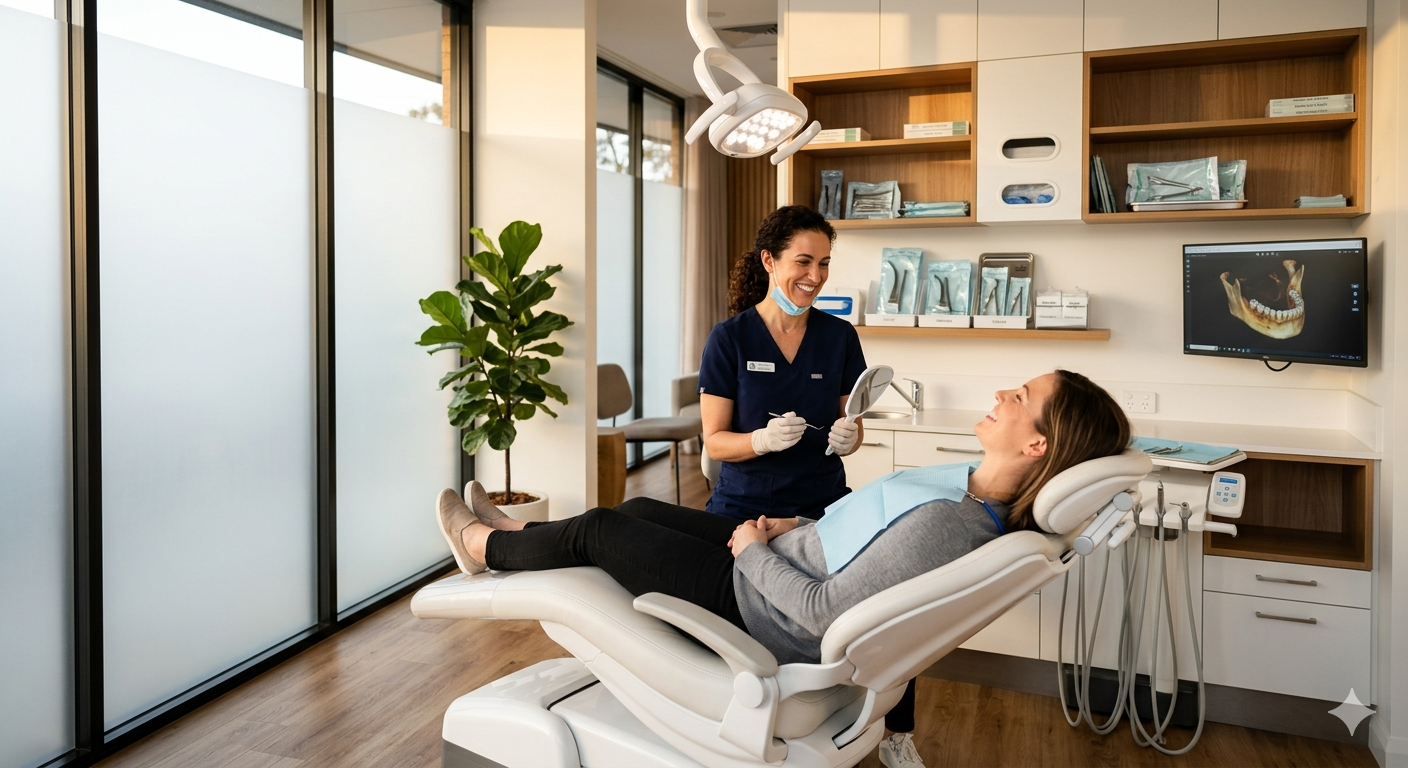
When faced with a dental emergency, knowing what happens next can reduce stress. Emergency dentists in Lancaster CA handle a variety of urgent cases with quick, effective care. They focus on immediate relief, pain management, and preventing further damage.
Emergency dentists in Lancaster CA treat a wide range of urgent issues. Common cases include severe toothaches, cracked or broken teeth, knocked-out teeth, and lost fillings or crowns. They also handle soft tissue injuries like cuts or bites inside the mouth.
Infections causing swelling or intense pain demand prompt attention to avoid complications. Some offices manage abscess drainages or prescribe antibiotics as part of treatment. They prioritize saving the natural tooth whenever possible.
Emergency care also covers sudden issues like broken dentures or orthodontic emergencies. These dentists can address issues that might not be life-threatening but need quick fixes to restore function and comfort.
When a dental emergency occurs, quick action matters. Dentists recommend rinsing the mouth gently with warm water to clean the area. If bleeding occurs, applying light pressure with a clean cloth or gauze helps control it.
For a knocked-out tooth, patients should try to place it back in the socket if possible or keep it in milk or saline until they reach the dentist. Avoid touching the root to protect the cells needed for reattachment.
Applying a cold compress on the face reduces swelling and eases pain. Over-the-counter pain relievers may be taken unless contraindicated. Promptly calling or visiting an emergency dental office ensures professional evaluation and treatment.
Emergency dentists in Lancaster CA prioritize patient comfort from the moment they walk through the door. They offer calming office environments and clear communication to ease anxiety. Pain control is a top priority, using local anesthesia or sedation options when needed.
Patients can expect personalized care plans tailored to their specific injury and medical history. Providers explain every step and treatment choice so patients feel informed and involved.
Follow-up care is arranged to monitor healing and prevent future emergencies. Emergency dentists also share advice on protecting teeth after treatment. Their goal is to restore both dental health and peace of mind quickly and compassionately.
Dental emergencies demand quick and effective action to reduce pain and prevent further damage. Knowing how to respond can make a big difference in outcomes and comfort. Below are some frequent issues and practical steps to manage them.
A severe toothache often signals an infection or nerve irritation. Rinsing the mouth with warm salt water helps clean the area and reduce inflammation. Over-the-counter pain relievers like ibuprofen can ease discomfort but should be taken according to the package instructions.
Avoid placing aspirin directly on the gums, as it can cause burns. Cold compresses applied to the outside of the cheek can help reduce swelling. It’s important to see a dentist quickly to identify the cause and prevent complications such as abscesses or tooth loss.
Chipped or broken teeth vary in severity, but immediate care can protect the tooth and reduce pain. Rinse the mouth gently with warm water to remove debris. Apply a cold compress to limit swelling and reduce discomfort.
If possible, save any broken pieces in milk or saline solution to bring to the dentist. Avoid chewing on that side until professional treatment. Emergency solutions include dental bonding or crowns, which restore function and appearance quickly in most cases.
A knocked-out tooth requires prompt action to increase the chance of saving it. Handle the tooth by the crown, not the root, to avoid damaging cells needed for reattachment. Rinse it gently with water if dirty, but do not scrub.
If possible, place the tooth back in its socket and hold it there. If this isn’t possible, keep it moist by storing it in milk or saline. Emergency dentists can often reimplant the tooth if seen within an hour, so quick dental care is essential.
Emergency dental care in Lancaster is designed to be reachable and responsive. Patients can expect options that fit urgent needs whether it’s nighttime, a weekend, or the immediate hours after an injury. Knowing what to do and where to go can make all the difference in managing a dental crisis confidently.
Many emergency dentists in Lancaster provide care outside of regular office hours. Clinics often offer extended evening hours and full weekend availability to accommodate unexpected injuries or severe pain. Some practices have dedicated emergency phone lines to quickly schedule urgent visits.
It’s important to call ahead before visiting to confirm hours and assess if your symptoms need immediate attention or can wait for regular hours. Lancaster’s emergency dental providers aim to reduce the wait for treatment and ease patient discomfort, even during the busiest times.
Same-day appointments are a key part of emergency dental services in Lancaster. Upon contacting a dental office, patients are usually screened for the severity of their problem and booked accordingly. This helps prioritize those with more serious issues like broken teeth, infections, or uncontrollable bleeding.
Patients should have their insurance information and a brief description of the issue ready when calling. Having this prepared speeds up the scheduling process and ensures the dental team can plan the right care without delays.
While waiting for professional care, certain at-home steps can manage pain and prevent further damage. Rinsing gently with warm salt water can reduce swelling and clean the area around a knocked-out or chipped tooth. Applying a cold compress helps numb pain and minimize swelling.
Avoid chewing on the injured side and stick to soft foods. Over-the-counter pain medication can provide relief but always follow the recommended dosage. Keeping the damaged tooth or fragments clean and saved in milk or saline may assist dentists in restoring it if possible.
Effective pain control is essential during emergency dental visits. Using the latest techniques helps patients feel at ease and ensures procedures are as comfortable as possible.
Lancaster emergency dentists use local anesthesia to numb only the affected area, minimizing discomfort without affecting alertness. Modern anesthetics work quickly, allowing for prompt treatment.
Topical gels may be applied before injections to reduce needle pain. This two-step approach helps ease anxiety for those nervous about needles.
For certain procedures, dentists might use computer-controlled anesthesia delivery systems. These systems release anesthetic slowly and steadily, reducing the sting traditional injections can cause.
Sedation dentistry helps patients stay calm during more complex or painful treatments. Options range from mild to moderate sedation, depending on individual needs.
Nitrous oxide (laughing gas) is popular for its quick onset and rapid recovery. It helps relax nerves without losing consciousness.
Oral sedatives are another choice, taken before the appointment to reduce anxiety. For patients with severe dental fears, intravenous (IV) sedation provides deeper relaxation while allowing the dentist to monitor vital signs.
Discussing these options with a dental professional ensures the safest and most comfortable experience tailored to each patient’s situation.
Taking proactive steps can greatly reduce the risk of dental emergencies. Simple habits and the right equipment help protect teeth from damage and decay, keeping smiles strong and healthy.
Daily care plays a crucial role in preventing problems that lead to emergency visits. Brushing teeth twice a day with fluoride toothpaste removes plaque and food particles. Using a soft-bristled toothbrush protects gums and enamel from abrasion.
Flossing once a day clears debris between teeth where brushes can’t reach. This reduces gum inflammation and the chance of cavities between teeth. Mouthwash with antibacterial properties can lower harmful bacteria and improve breath.
Avoiding sugary snacks and drinks throughout the day minimizes acid attacks on tooth enamel. Drinking plenty of water helps rinse the mouth and maintain saliva flow, which naturally protects teeth.
Dental injuries during sports are common but mostly preventable. Wearing a custom-fitted mouthguard acts as a cushion against blows to the face. It reduces the chance of chipped teeth, broken jaws, and soft tissue injuries.
For contact sports like football, hockey, or basketball, a well-designed mouthguard is essential gear. It should cover both upper and lower teeth for maximum protection. Helmets with face shields also offer extra defense for the mouth and head.
Parents are encouraged to invest in proper mouthguards for kids involved in sports. Coaches and schools should support using protective gear to create safer play environments.
Finding an emergency dentist who offers prompt, compassionate care and stays open during urgent hours can reduce stress in dental emergencies. Key factors include the dentist’s availability, experience, and the comfort of the office environment.
A reliable emergency dentist in Lancaster CA should provide flexible hours, including nights and weekends. They must have modern equipment to handle pain quickly and fix issues with minimal discomfort.
Check if the dentist offers experience in urgent care, especially for common emergencies like broken teeth or severe toothaches. Look for a welcoming office atmosphere that prioritizes patient comfort. Reviews and word of mouth can reveal helpful insights about wait times and staff friendliness.
Insurance acceptance and transparent pricing also matter. Ensure the practice communicates clearly about costs before treatment, so there are no surprises at the payment stage.
Before heading to an emergency dentist, patients should ask about wait times during emergencies. Knowing how soon they can be seen is important when pain is involved.
Inquire if the dentist has specialists or can refer for complex procedures like root canals or surgery. Confirm payment options and whether the office handles insurance claims directly.
Ask about follow-up care and office policies if more treatment is needed. Understanding these details helps patients feel reassured and prepared when visiting in urgent situations.
When it comes to emergency dental care in Lancaster, CA, understanding insurance and payment options can help ease stress. Many emergency dentists accept a variety of insurance plans, including major providers like Delta Dental, Aetna, and Blue Cross Blue Shield. It’s always a good idea for patients to call ahead or check insurance coverage before their visit.
Some insurers cover emergency treatments fully, while others may require a co-pay or deductible. If a patient doesn’t have insurance, many dental offices offer flexible payment plans to make urgent care more affordable. It’s common to see options like cash payments, credit cards, and third-party financing.
Here’s a quick look at what to expect:
| Payment Method | Details |
|---|---|
| Insurance Accepted | Most major plans, verify before visit |
| Out-of-Pocket Payments | Cash, credit cards accepted |
| Payment Plans | Monthly installments available |
| Emergency Discounts | Some offices offer reduced fees |
Patients should bring their insurance information and any identification to speed up the process. Knowing payment details ahead of time allows you to focus on what matters most—getting prompt, effective care. If unsure, calling the dental office for billing questions always helps.
If someone experiences a sudden toothache, a knocked-out tooth, or severe bleeding, the best move is to act quickly. They should call an emergency dentist in Lancaster, CA as soon as possible to get prompt care.
Many emergency dental offices offer same-day appointments or walk-in options. This helps patients avoid long waits while managing pain or preventing further damage.
Patients can prepare for their visit by having these details ready:
• Description of the problem
• Time and cause of the injury or pain
• Any medications they are taking
Once contacted, the dental team will guide them through what to expect and how to provide temporary relief until they arrive.
Scheduling an appointment early can make a big difference in preserving teeth and preventing complications. Choosing a dentist who focuses on patient comfort and modern treatment methods ensures gentle care during stressful times.
Encouraging anyone facing a dental emergency not to wait is key. Reaching out promptly can help them get relief and start the healing process without added anxiety.
Immediate action matters when dealing with dental emergencies. Knowing how to handle pain, injuries, or infections quickly can improve outcomes and reduce discomfort.
Severe, sharp, or persistent tooth pain often signals an emergency. If pain prevents eating, sleeping, or normal activities, it should be addressed promptly.
Mild soreness or sensitivity that improves with over-the-counter pain relief usually isn’t urgent but still needs monitoring.
Rinse your mouth gently with warm water and apply a cold compress to reduce swelling. If a tooth is knocked out, hold it by the crown, rinse off dirt, and try to place it back in the socket.
If that’s not possible, store the tooth in a container with milk or a tooth preservation product and get to a dentist immediately.
Facial swelling or infection can spread quickly and should never be ignored. Seek urgent dental care as soon as possible.
Avoid heat or self-medicating with antibiotics without a prescription. A dentist will likely prescribe appropriate medication and treatment.
Urgent care or ER can handle pain relief and serious trauma but usually can’t fix dental issues like cavities or infections permanently.
Use the ER for severe injuries, uncontrolled bleeding, or signs of serious infection like fever or difficulty breathing. For most dental pain or injuries, a dental office is the best choice.
Emergency dentists in Lancaster often offer same-day appointments, sometimes within hours. Treatments include pain management, antibiotics, or procedures like root canals.
Local offices focus on patient comfort using modern anesthesia and sedation options to ease anxiety and pain during treatment.
Bring photo ID, dental insurance cards, and a list of current medications. Also, note your last dental visit and any relevant medical history.
Call the dental office before your visit to confirm they accept your insurance or discuss payment plans. Many emergency dentists in Lancaster offer flexible options to ease financial concerns.