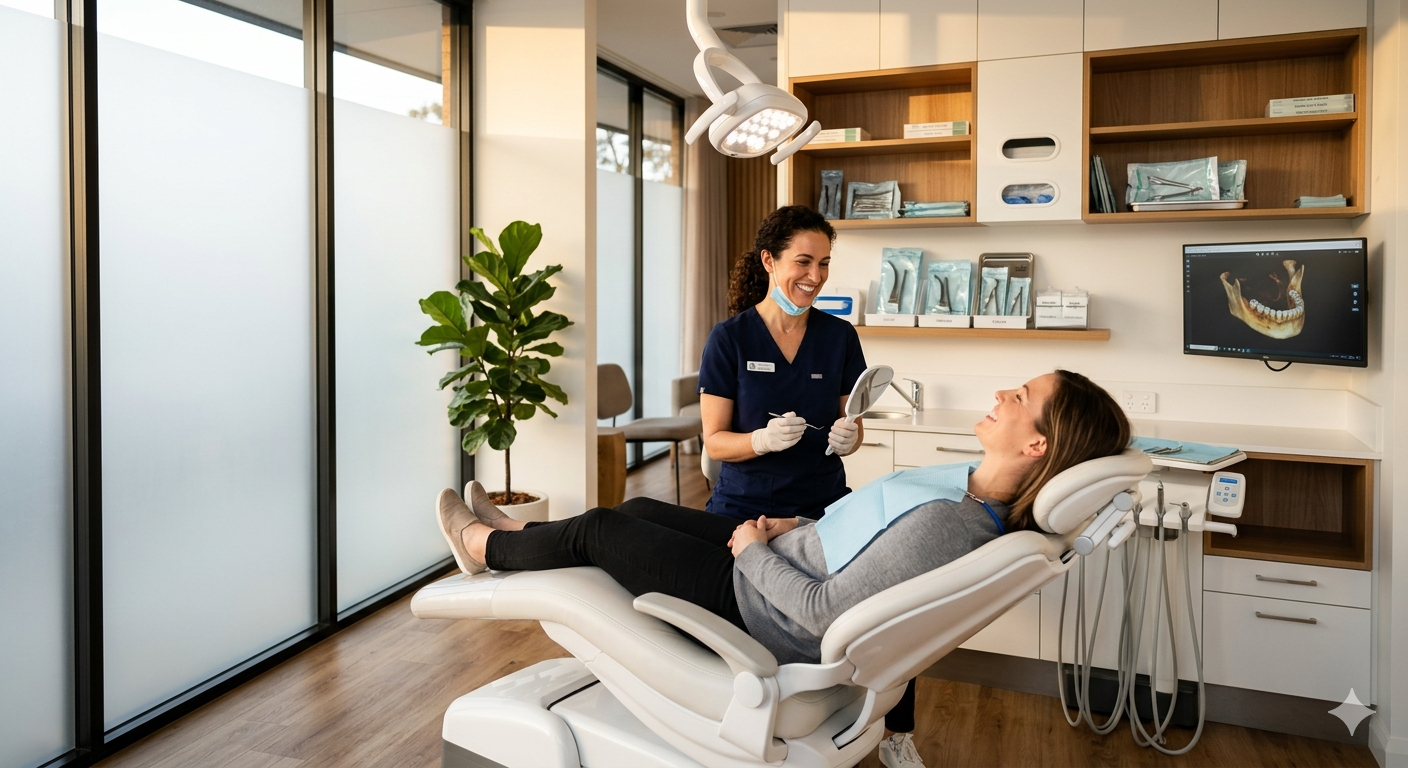
Invisalign in Palmdale, CA, offers a clear and convenient way to straighten teeth without the discomfort of traditional braces. It uses custom-made, removable aligners that gradually shift teeth into place, making it a popular choice for people seeking a discreet orthodontic option. This modern treatment fits well with busy lifestyles, allowing patients to maintain their usual routine with minimal disruption.
Many in Palmdale appreciate how Invisalign supports oral hygiene better than fixed braces since the aligners can be taken out for brushing and flossing. It also tends to cause less irritation in the mouth, making the experience more comfortable. Whether someone needs minor corrections or more significant adjustment, Invisalign provides an effective solution tailored to individual needs.
Choosing Invisalign means working with dental providers who prioritize patient comfort and clear communication. They guide patients through each step, ensuring the process is smooth and understandable. For anyone thinking about improving their smile, consulting a local Invisalign specialist is a great place to start.
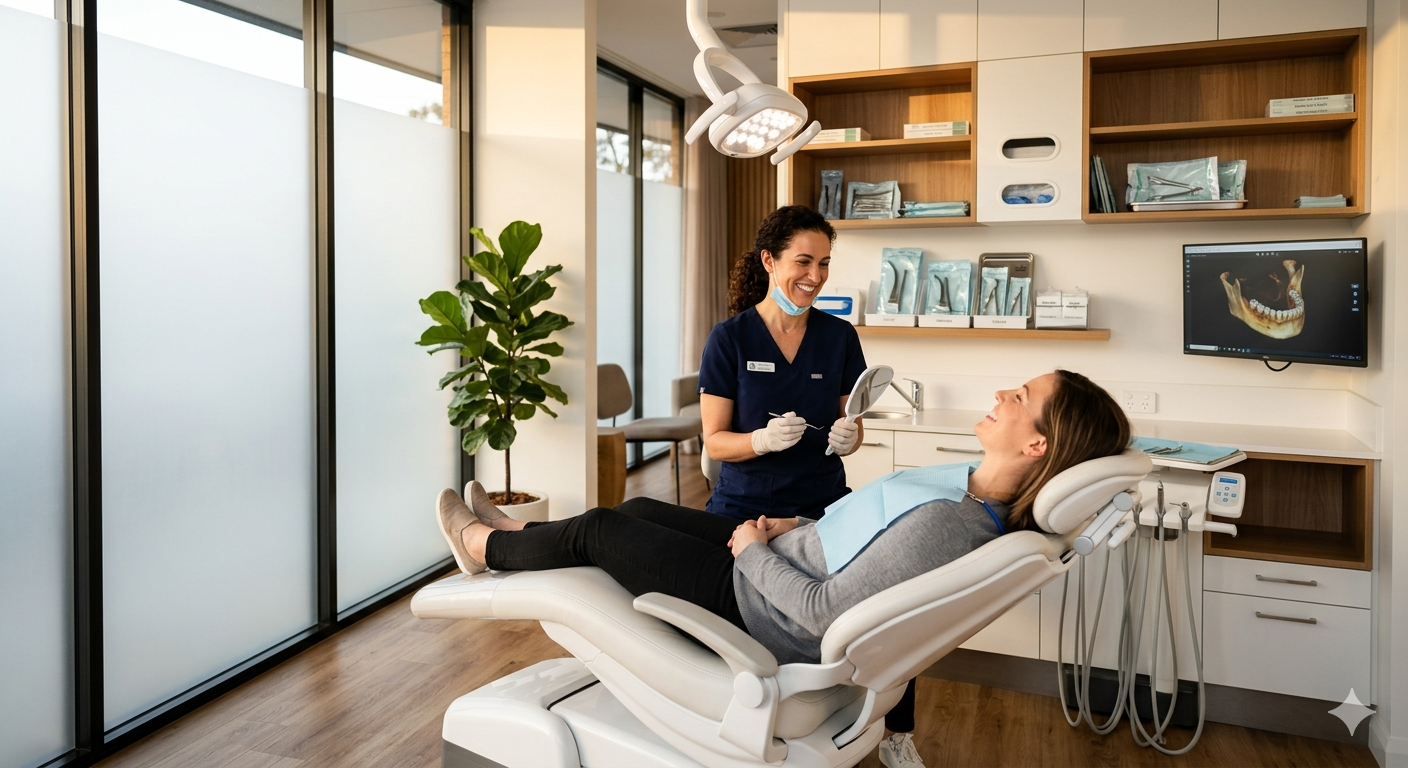
Invisalign moves teeth gradually using custom-made clear aligners. This method offers a different experience and treatment flow compared to traditional braces. Understanding the basics helps patients feel more comfortable and confident about what to expect.
Invisalign uses clear, removable trays made of smooth plastic, unlike metal brackets and wires in traditional braces. This means no sharp edges or wire adjustments to cause discomfort.
Because aligners are removable, patients can eat, drink, brush, and floss without restrictions, which supports better oral hygiene. Traditional braces may trap food and make cleaning more difficult.
Both systems apply pressure to move teeth, but Invisalign’s gradual alignment through a series of trays is less intrusive visually. It’s especially popular among adults and teens who want a discreet treatment option.
First, the dentist or orthodontist takes digital scans or impressions of the patient’s teeth. These images help create a 3D model for a personalized treatment plan.
Next, a series of aligners is manufactured, each designed to make small adjustments to tooth position. Patients wear each set for about 1-2 weeks before moving to the next one.
Regular check-ins monitor progress and ensure teeth move as planned. Total treatment time varies but usually lasts 12-18 months depending on case complexity.
Appointments are generally quick and comfortable. In the beginning, the provider confirms that the aligners fit well and explains how to wear and care for them.
Follow-up visits occur every 6-8 weeks to assess tooth movement and provide new aligners. The provider may make adjustments if needed for optimal results.
Patients should ask questions during visits. The goal is to ensure comfort, address concerns, and keep the treatment progressing smoothly with minimal disruption to daily life.
Invisalign offers several practical advantages for those seeking teeth straightening without the discomfort and inconvenience of traditional braces. It balances effective treatment with everyday comfort and better oral hygiene, making it a popular choice in Palmdale.
Invisalign aligners are made from smooth, BPA-free plastic designed to fit snugly over teeth. This smooth surface significantly reduces irritation to gums and cheeks compared to the metal brackets and wires of traditional braces.
Since the trays are custom-made and lightweight, patients often notice less soreness and discomfort, especially during the initial adjustment period. The treatment process also requires fewer emergency visits because there are no wires to break or brackets to come loose.
Appointments tend to be quicker, too. Invisalign often needs only periodic check-ins every 6-8 weeks, which makes it easier to fit into busy schedules.
One of the biggest draws of Invisalign is that the aligners can be removed for eating, drinking, brushing, and flossing. This makes maintaining normal daily habits much simpler and more hygienic.
Unlike fixed braces, Invisalign doesn’t limit food choices. Patients can enjoy their favorite meals without worrying about damaging wires or brackets. Removing the aligners also allows for thorough cleaning, reducing the risk of plaque buildup and cavities.
While it’s important to wear Invisalign aligners for 20-22 hours a day, the ability to remove them during social events or important occasions adds flexibility without compromising the treatment.
Invisalign supports better oral hygiene since patients can brush and floss normally, which helps prevent gum disease and tooth decay during treatment. This contrasts with traditional braces, where food traps around brackets can be problematic.
The aligners also gently move teeth without applying excessive force, lowering the risk of damage to tooth roots or enamel. Many dentists consider Invisalign beneficial for those with sensitive gums or histories of oral health issues as it is less invasive.
Regular professional monitoring during Invisalign treatment helps ensure progress is steady and any potential concerns are addressed promptly, contributing to a healthier overall smile.
Choosing Invisalign depends on your specific dental needs, age, and daily habits. It works best for certain orthodontic cases and requires patients to commit to wearing the aligners consistently. Your lifestyle also plays a role in whether Invisalign fits smoothly into your routine.
Invisalign is designed to correct mild to moderate issues such as crowded teeth, gaps, and minor bite problems. It can handle overbites, underbites, and crossbites, but severe malocclusions might need traditional braces or other treatments.
If your dental misalignment is complex or requires extensive movement, a specialist may recommend alternative options. However, for many common orthodontic concerns, Invisalign offers a discreet and effective solution.
Invisalign is FDA-approved for teens and adults, but it’s especially popular among adults who want a less noticeable option. Teenagers benefit from Invisalign Teen, which has features like compliance indicators to help track wear time.
Children with baby teeth or those still growing usually are not good candidates. This is because Invisalign aligners require a stable dental structure to work properly, which develops later in adolescence.
Wearing Invisalign requires a commitment to 20-22 hours per day. Because the aligners are removable, patients must avoid losing or damaging them during meals or sports.
People who smoke or drink a lot of coffee or red wine might face staining, which can affect the clear appearance. Good oral hygiene is essential since aligners can trap food particles and bacteria if not cleaned regularly.
Before beginning Invisalign treatment, it’s important to understand the initial steps, how your personalized plan is created, and the costs involved. Knowing these aspects helps set clear expectations and prepares you for a smooth experience.
The process begins with a consultation where the dentist evaluates your teeth and oral health. They use advanced digital imaging to capture 3D scans of your mouth, replacing traditional molds. This step provides a detailed map of your teeth to design your Invisalign aligners precisely.
During the consultation, the dentist discusses your smile goals and any concerns you might have. This personalized approach ensures that Invisalign will suit your specific needs. The digital scans are quick, comfortable, and accurate, giving you a clear preview of your treatment progress.
After imaging, the dental team crafts a customized treatment plan. This plan outlines the movement of your teeth in stages, showing how your smile will transform over time. You’ll see a digital model illustrating expected results.
Each set of aligners is designed to shift your teeth gently and gradually. The treatment time varies but typically lasts between 12 and 18 months. Your dentist will explain how often to wear and change the aligners, usually every 1-2 weeks, to stay on track.
Understanding the cost is essential before committing to Invisalign. Prices in Palmdale vary but generally range from $3,000 to $5,000 depending on treatment complexity. Many dental offices offer flexible payment plans to fit different budgets.
Some dental insurance plans cover part of the Invisalign treatment, similar to traditional braces. It’s best to verify your benefits early to know what portion will be covered. Many providers also accept third-party financing options to make treatment more accessible.
Living with Invisalign aligners requires attention to daily habits and proper care. Patients quickly adapt to their new routine with simple tips for eating, cleaning, and managing minor issues. These small changes help keep the treatment on track and comfortable.
Invisalign users should remove their aligners before eating or drinking anything other than water. Eating with aligners in can lead to damage or trapped food particles, increasing the risk of staining or decay.
Rinsing teeth and aligners before putting them back helps maintain oral hygiene. Avoiding colored or sugary drinks while wearing aligners prevents discoloration and cavities.
Eating softer foods during the first few days can ease any discomfort as teeth adjust. Carrying a small case for aligner storage ensures they’re safe and clean while eating out or at work.
Cleaning aligners daily is crucial to prevent odor and buildup. A gentle brush with clear, unscented soap or specialized cleaning crystals works best. Toothpaste can be abrasive, so it’s better avoided.
Aligners should be soaked in Invisalign cleaning solution or a denture cleaner a few times a week. Rinsing thoroughly afterward avoids irritation. Keeping them away from hot water preserves their shape and fit.
Regularly inspecting aligners for cracks or warping helps catch issues early. Patients should contact their dentist in Palmdale if anything looks damaged or uncomfortable.
Adjusting to the feeling of aligners can take a few days. Mild soreness or speech changes are normal and usually pass with time. Over-the-counter pain relievers can help with initial discomfort.
Keeping aligners in for 20-22 hours daily is key but can feel restrictive. Setting phone reminders helps maintain consistent wear.
Occasional aligner loss or breakage can happen. Having backup cases and promptly consulting the dentist prevents treatment delays. Drinking plenty of water and practicing good oral care also reduces irritation or dryness.
Achieving a confident smile with Invisalign involves attention to progress and consistent care afterward. Patients will notice gradual changes, but staying on track and maintaining results requires commitment.
Invisalign treatment in Palmdale relies on regular monitoring to ensure teeth move as planned. Typically, patients receive new aligners every one to two weeks, and follow-up appointments happen every 6 to 8 weeks. During these visits, the dental provider checks fit, movement, and comfort, making adjustments if needed.
Patients are encouraged to wear aligners 20–22 hours daily for optimal results. Skipping wear time or losing aligners can slow progress. Some practices use digital scans or photos to compare current alignment with treatment goals, offering clear visual proof of improvement.
Many patients find it motivating to see each stage’s changes, which helps maintain the discipline needed for a successful outcome.
After Invisalign treatment ends, retainers are essential to keep teeth in their new positions. Without retainers, teeth can gradually shift back, undoing the hard work taken during treatment.
There are different retainer types:
Dentists usually recommend wearing retainers full-time initially, then transitioning to nighttime wear. Regular retainer care includes cleaning with mild soap and storing them safely when not in use.
Long-term success depends on consistent retainer use and routine dental visits to monitor stability. Palmdale patients are advised to discuss a personalized aftercare plan to secure their investment in a better smile.
Finding the right dental professional in Palmdale for Invisalign treatment involves more than just booking an appointment. Important factors include the provider’s background, how they personalize care, and the kind of ongoing relationship they build with patients.
Experience matters a lot when it comes to Invisalign. Dental professionals who have completed specialized training in orthodontics or have many successfully treated Invisalign patients tend to deliver better results. Look for credentials such as board certifications or affiliation with the Invisalign provider network.
An experienced dentist understands the nuances of complex tooth movements and will anticipate challenges. This reduces the risk of treatment delays or complications. Patients should ask how many cases a provider has handled, especially ones similar to their own dental condition.
No two smiles are the same, and a good Invisalign provider knows this well. They should offer a treatment plan tailored exactly to the patient’s teeth, lifestyle, and goals. This might include detailed digital scans, clear explanations of expected timelines, and ongoing adjustments if needed.
Providers who customize care often use the latest technology to track progress remotely or provide flexible appointment scheduling. They also encourage questions and involve patients in decisions, helping build confidence and comfort throughout the process.
Dental care, including Invisalign, is a partnership that extends beyond the initial treatment. A reliable professional prioritizes regular follow-ups, preventive check-ups, and support even after the aligners come off. This helps maintain a healthy smile long term.
Trust is key. Patients should seek someone who listens carefully, addresses concerns promptly, and makes visits feel welcoming rather than stressful. Developing this rapport encourages open communication and better overall dental health management.
Choosing Invisalign in Palmdale starts with a simple consultation. During this first visit, a dental expert will evaluate your teeth and discuss your smile goals. This step helps create a personalized treatment plan tailored to your needs.
Patients receive a 3D scan or impressions of their teeth, which guide the design of custom aligners. These clear trays are smooth and comfortable to wear, making it easier to keep up with daily activities without pain or irritation.
Wearing the aligners for 20-22 hours daily is key to effective treatment. The Invisalign system gradually shifts teeth into place with gentle, controlled pressure, reducing the need for frequent office visits.
Here’s a quick checklist for what to expect next:
| Step | What It Involves | Why It Matters |
|---|---|---|
| Initial Exam | Assessment and goal setting | Tailors the treatment plan |
| 3D Imaging or Impressions | Digital mapping of teeth | Accurate aligner fit |
| Receiving Aligners | Custom-made trays | Comfort and effectiveness |
| Regular Wear | 20-22 hours per day | Consistent tooth movement |
| Follow-Up Appointments | Progress checks | Adjust treatment as needed |
Encourage patients to ask questions about comfort, care, and lifestyle fit. Invisalign offers a discreet way to achieve smile improvements with minimal disruption.
Reaching out to a trusted Palmdale provider is the next best step. They can guide patients through the process and set them on the path to a healthier, more confident smile.
Many patients wonder about costs, treatment length, and whether clear aligners are the right choice for their smile. Questions about the first visit, managing jaw discomfort, and choosing the best local orthodontist are common, too.
Clear aligners in California usually range from $3,000 to $7,000. The price depends on treatment complexity, provider experience, and geographic location.
Additional costs may include consultations, retainers, and follow-up visits. Some offices offer payment plans or insurance coverage to help manage expenses.
Clear aligners suit mild to moderate misalignment and crowding. Braces might be better for complex cases like severe bite issues or rotated teeth.
Your orthodontist can evaluate your smile and recommend the best option based on your dental needs and lifestyle.
Treatment with clear aligners generally lasts 12 to 18 months. Staying on schedule means wearing the aligners 20-22 hours daily and switching trays as directed.
Regular check-ins with the orthodontist help monitor progress and address any concerns quickly.
Most Palmdale offices now use digital scanning technology for quick, accurate impressions. This process is more comfortable and faster than traditional molds.
During your first visit, the orthodontist reviews your dental history, examines your bite, and discusses your treatment options.
Clear aligners can sometimes relieve minor jaw discomfort by improving bite alignment. However, persistent TMJ pain may require evaluation by a jaw specialist.
If symptoms worsen or don’t improve, it’s important to seek care from a TMJ expert or oral surgeon.
Look for offices with strong patient reviews and visible before-and-after photos showcasing successful cases. Transparent pricing and flexible payment plans are key factors.
Scheduling consultations helps you meet the team, ask questions, and find a practice where you feel comfortable and confident.