


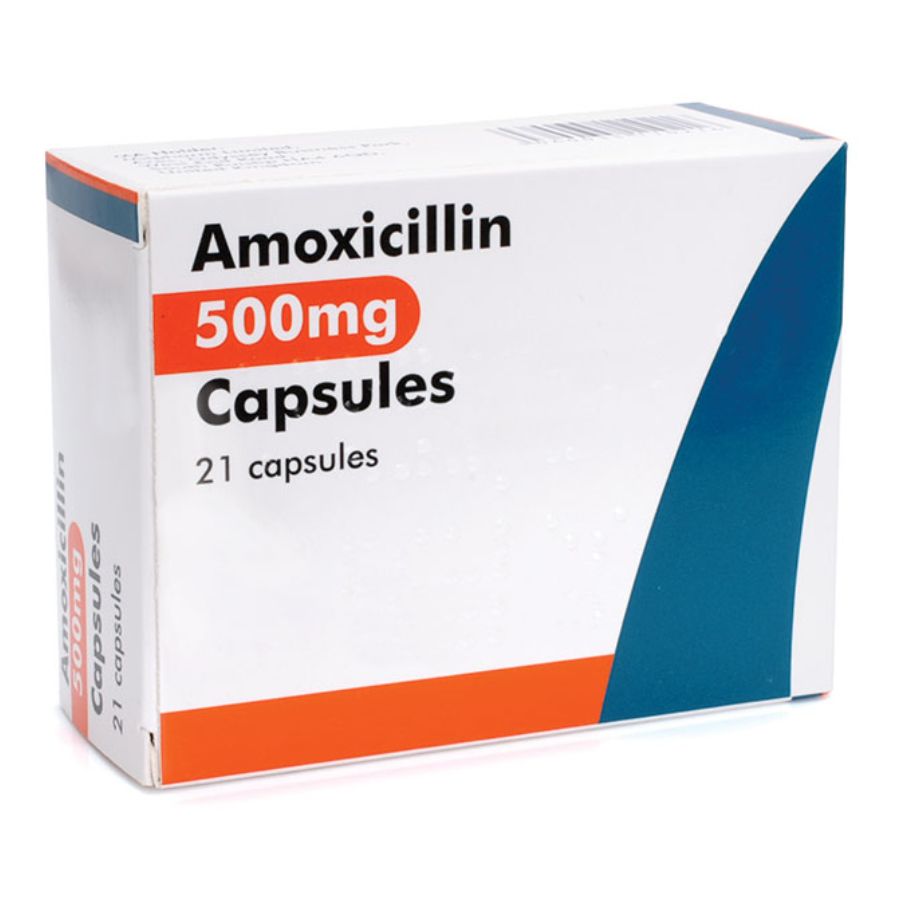
Many people search for amoxicillin over the counter when they have a toothache, sore throat, sinus symptoms, or another concern that feels like it might be an infection. While the search is common, the answer is important: amoxicillin is not an over-the-counter medication in the United States. It is an antibiotic that requires a prescription from a licensed healthcare provider.
Amoxicillin can be helpful for certain bacterial infections, but it is not the right treatment for every illness, and it should not be taken without a proper diagnosis. If you are dealing with dental pain, swelling, fever, or signs of infection, contact a dentist, physician, urgent care provider, or emergency medical professional for guidance.
Important: This article is for general educational purposes only and is not medical advice. Do not start, stop, or change any medication without guidance from a licensed healthcare provider. If you have trouble breathing, facial swelling, severe pain, fever, or symptoms that are rapidly getting worse, seek urgent medical care.
What is Amoxicillin?
Amoxicillin is an antibiotic in the penicillin family. It is commonly prescribed to treat certain bacterial infections. It works against bacteria, not viruses, which means it will not treat viral illnesses like colds or the flu.
Healthcare providers may prescribe amoxicillin for certain infections involving the ears, throat, lungs, skin, urinary tract, or dental-related infections when a bacterial cause is suspected or confirmed. The right antibiotic, dose, and length of treatment depend on the type of infection, the patient’s health history, allergies, and other medications they may be taking.
How Amoxicillin Works
Amoxicillin works by interfering with the way bacteria build their cell walls. Without strong cell walls, susceptible bacteria cannot continue growing and spreading the same way. Because antibiotics work only against certain bacteria, a healthcare provider needs to determine whether an antibiotic is appropriate before prescribing it.
Taking antibiotics when they are not needed can expose patients to side effects without helping the underlying problem. It can also contribute to antibiotic resistance, which makes bacterial infections harder to treat in the future.
Why a Prescription Matters
A provider evaluates symptoms and health history.
They determine whether the issue appears bacterial.
The medication and instructions are selected for the patient.
Follow-up care helps monitor results and prevent complications.
Can I Buy Amoxicillin Over the Counter?
No. Amoxicillin is not available over the counter in the United States. It requires a prescription from a licensed healthcare provider.
This is because antibiotics require proper diagnosis and supervision. A provider needs to determine whether symptoms are caused by bacteria, whether amoxicillin is the right medication, whether the patient has a penicillin allergy, and whether there are any risks based on medical history or current medications.
If you believe you may need an antibiotic, contact a healthcare provider for an evaluation. If your concern is related to tooth pain, gum swelling, an orthodontic appliance issue, or another dental concern, you may need to contact your dentist, orthodontist, urgent care, or emergency care depending on the severity of your symptoms.
Uses
Amoxicillin may be prescribed for certain bacterial infections. It is not used to treat viral infections, and it is not appropriate for every bacterial infection. A healthcare provider must decide whether it is the right option.
Respiratory Tract Infections
Some respiratory infections may be bacterial and may require antibiotics. Others are viral and do not improve with antibiotics. Symptoms, exam findings, and sometimes testing help determine the right treatment plan.
Skin Infections
Some skin infections may require antibiotics if bacteria are involved. A healthcare provider can evaluate the area, determine the likely cause, and recommend the safest treatment.
Urinary Tract Infections
Some urinary tract infections are treated with antibiotics, but the best medication depends on the patient, the suspected bacteria, local resistance patterns, and any relevant test results. Patients should not self-treat a suspected urinary tract infection with leftover medication.
Dental Infections
Dental infections can become serious if left untreated. Antibiotics may sometimes be part of treatment, but they do not replace dental care. A dentist or appropriate healthcare provider may need to address the source of the infection, such as a tooth, gum, or oral health problem.
If you are a Snow Orthodontics patient and your concern involves braces, aligners, retainers, or an orthodontic appliance, visit our existing patients page or contact our team for guidance. If you are a new patient looking for orthodontic care, you can learn more about the new patient experience at Snow Orthodontics.
Antibiotics Are Not Always the Answer
Bacterial Infections
Some bacterial infections may require antibiotics after a provider evaluates the patient.
Viral Illnesses
Colds, flu, and many sore throats are viral and do not improve with antibiotics.
Dental Concerns
Tooth pain or swelling may need dental evaluation, not medication alone.
How to Take Amoxicillin
Amoxicillin should be taken only as prescribed by a licensed healthcare provider. Patients should follow the exact instructions on the prescription label and ask their provider or pharmacist if they have questions about timing, food, missed doses, allergies, or side effects.
Do not take someone else’s antibiotics. Do not use leftover antibiotics from a previous illness. Do not stop an antibiotic early unless your healthcare provider tells you to do so, even if symptoms improve before the medication is finished.
If you miss a dose, follow the instructions provided by your healthcare provider or pharmacist. If you are unsure what to do, contact them for guidance rather than guessing or doubling up on medication.
Possible Side Effects
Like all medications, amoxicillin can cause side effects. Some people may experience stomach upset, nausea, diarrhea, headache, rash, itching, or yeast infections. Some reactions may be mild, while others can be serious.
Patients who are allergic to penicillin or related antibiotics should not take amoxicillin unless specifically instructed by a qualified healthcare provider. Symptoms of a serious allergic reaction may include hives, swelling, difficulty breathing, dizziness, or a severe rash. These symptoms require urgent medical attention.
Contact your healthcare provider if side effects appear, symptoms worsen, or you have concerns while taking a prescribed antibiotic.
Antibiotic Resistance
Antibiotic resistance is one of the key reasons antibiotics require careful use. Resistance can develop when bacteria adapt in ways that make antibiotics less effective. This can make future infections harder to treat.
Using antibiotics when they are not needed, taking the wrong antibiotic, skipping doses, or stopping treatment early can all contribute to resistance. Following professional guidance helps protect both the individual patient and the broader community.
| Do | Do Not |
|---|---|
| Talk with a licensed healthcare provider before taking antibiotics. | Do not buy or take amoxicillin without a prescription. |
| Follow the prescription instructions exactly. | Do not take leftover antibiotics from a past illness. |
| Ask a pharmacist or provider if you miss a dose. | Do not share antibiotics with another person. |
| Seek care if symptoms worsen or serious side effects appear. | Do not assume every infection requires antibiotics. |
Summary
Amoxicillin is a commonly prescribed antibiotic, but it is not available over the counter in the United States. It should only be used when a licensed healthcare provider determines that it is appropriate.
If you are searching for amoxicillin because of tooth pain, facial swelling, gum discomfort, or another oral health concern, the next step is to contact a dentist, physician, urgent care provider, or emergency medical professional depending on the severity of your symptoms. Medication may help in some cases, but dental and medical problems need the right diagnosis and treatment plan.
For orthodontic questions involving braces, clear aligners, retainers, or appliance discomfort, Snow Orthodontics is here to help patients across our California locations.
Have an Orthodontic Question?
Snow Orthodontics helps patients with braces, clear aligners, retainers, and personalized orthodontic treatment across California. If your concern involves tooth pain, swelling, fever, or infection, contact a dentist, physician, urgent care provider, or emergency medical professional.
Contact Snow OrthodonticsFAQ
Is there an over the counter version of amoxicillin?
No. Amoxicillin is not available over the counter in the United States. It requires a prescription from a licensed healthcare provider.
What is a good alternative to amoxicillin?
The right alternative depends on the type of infection, the patient’s allergies, medical history, and other factors. A healthcare provider should determine whether an antibiotic is needed and which medication is safest.
Do I need a prescription for amoxicillin?
Yes. Amoxicillin requires a prescription. A licensed healthcare provider needs to evaluate the symptoms and decide whether an antibiotic is appropriate.
Can you still get antibiotics over the counter?
Oral antibiotics such as amoxicillin generally require a prescription in the United States. Some topical antibiotic products may be available over the counter, but patients should ask a healthcare provider or pharmacist which option is appropriate for their situation.
Can amoxicillin help with tooth pain?
Amoxicillin may be prescribed for some dental infections, but it does not treat every cause of tooth pain and does not replace dental treatment. Tooth pain, swelling, fever, or signs of infection should be evaluated by a dentist or appropriate healthcare provider.
Should I take leftover antibiotics for a dental or orthodontic problem?
No. Leftover antibiotics may be the wrong medication, dose, or duration for your current symptoms. Taking antibiotics without medical guidance can cause side effects and contribute to antibiotic resistance.